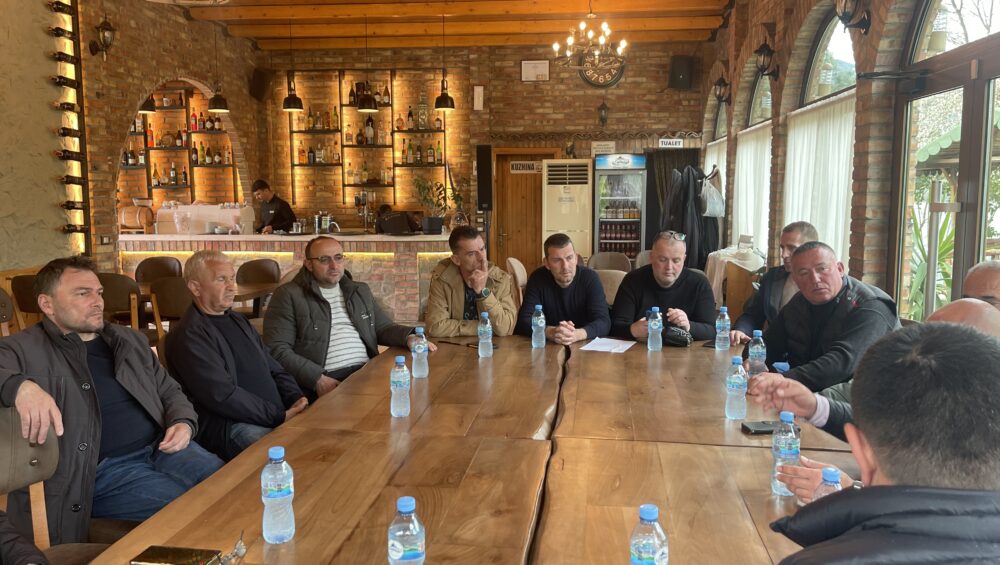
As part of the ISCCA project, a series of meetings was organized with local communities across several areas of the region to present the concept and importance of ecological corridors, discuss environmental challenges, and exchange views with communities on issues affecting their territory.
During the meetings, the project’s Action Plan was also presented, along with the activities planned under it. Participants were informed about some of the measures designed to address environmental challenges in the area and how the local community can contribute to their implementation. A key part of the meetings was dedicated to hearing the perspectives and concerns of community members, who have first-hand knowledge of the challenges on the ground.
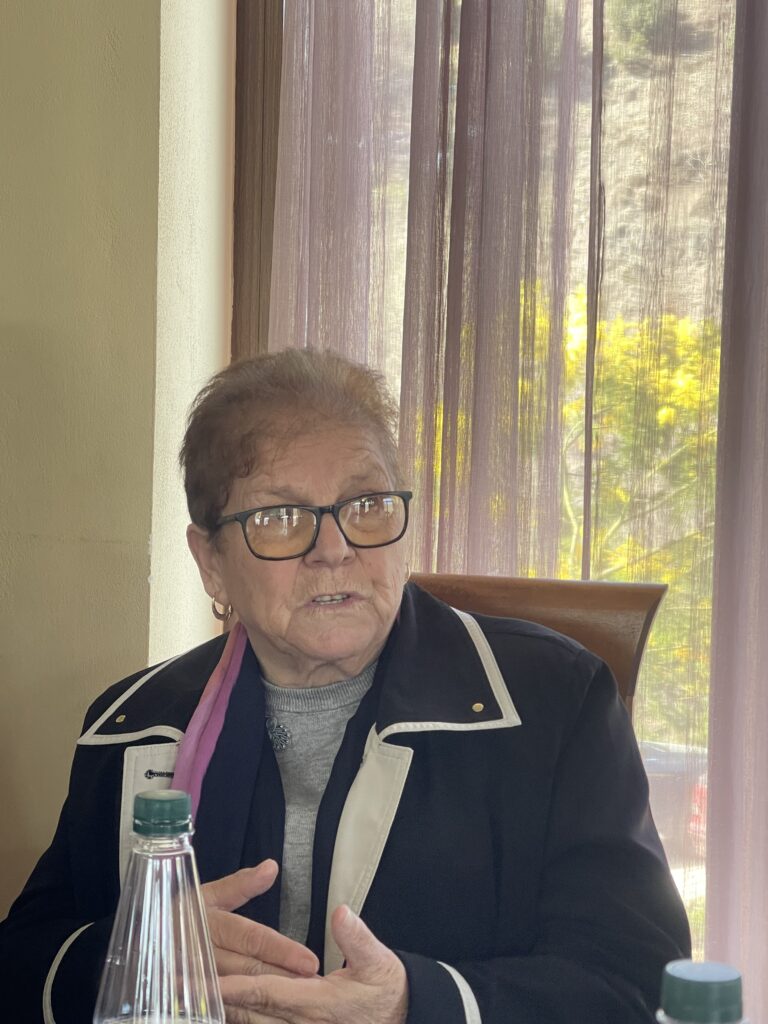
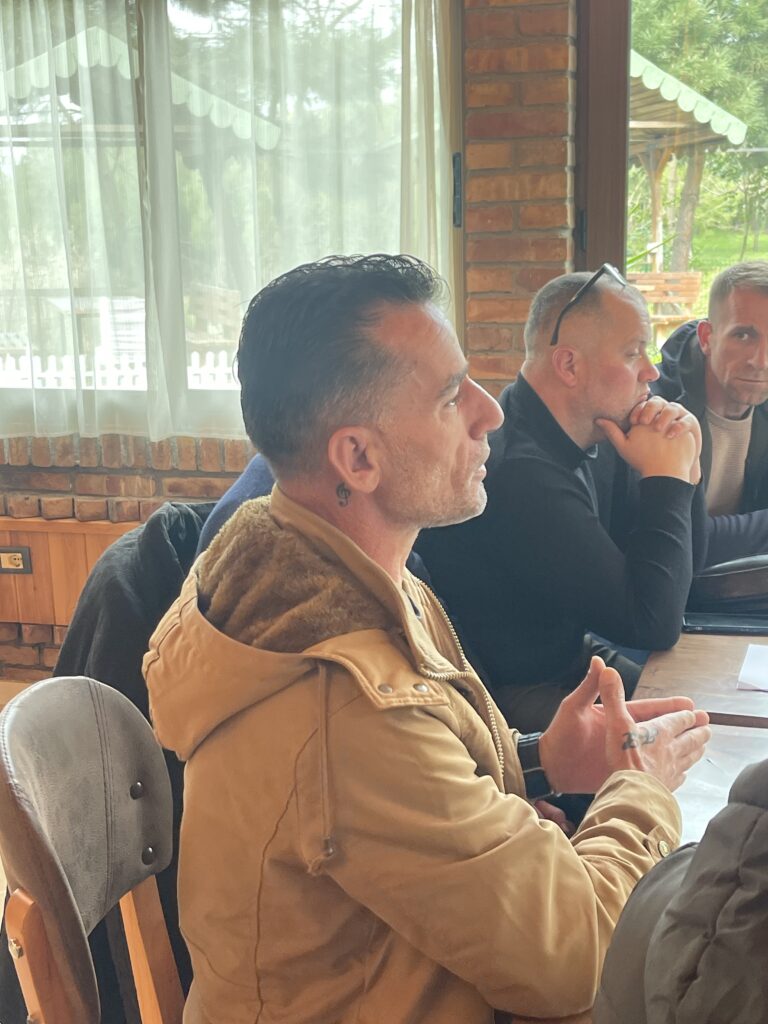
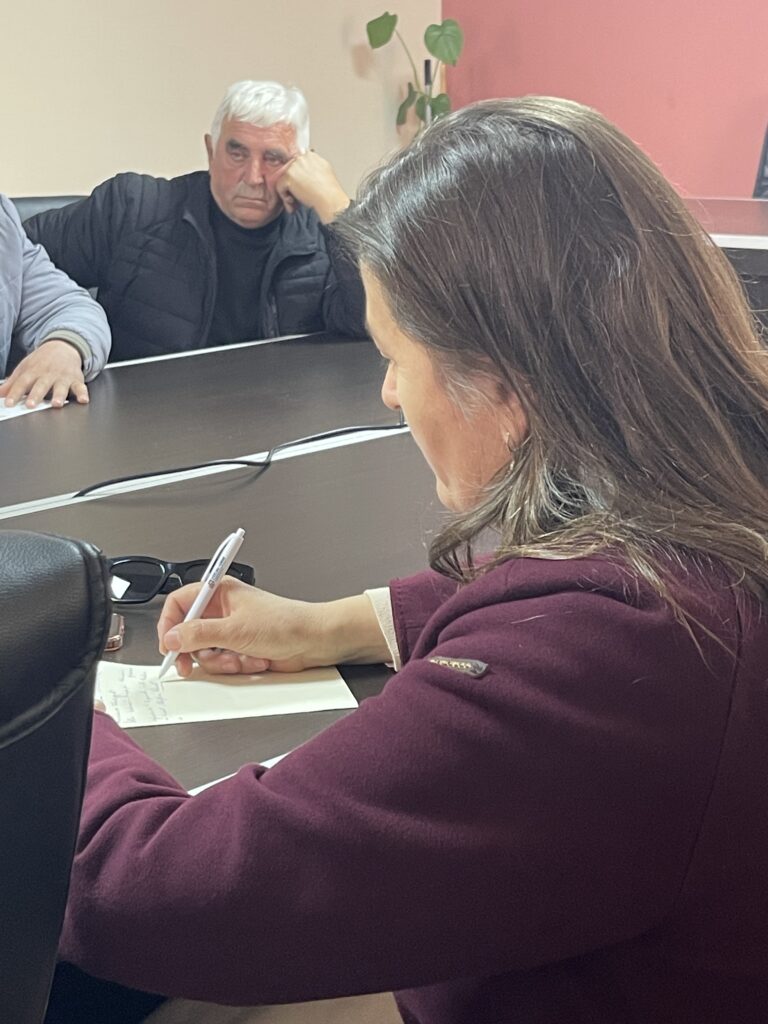
The meetings brought together a wide range of participants, including farmers, beekeepers, fishers, hunters, teachers, representatives of local institutions, civil society organizations, and producers of organic and medicinal plant products. Discussions focused on identifying environmental issues in the area and the importance of collaboration between the community and institutions in addressing them.
One of the issues raised during the meeting in Gramsh was the problem of forest fires and the difficulties related to responding to them. Participants highlighted the lack of organized mechanisms for involving volunteers, as well as the challenges faced by firefighting teams in reaching certain areas due to limited access routes. In this regard, the importance of prevention and community awareness to reduce fire risks was emphasized.
Another important topic, raised with representatives from Librazhd, was the condition of the Shkumbin Valley and the impacts of human activities on its ecosystem. Participants expressed concern about pollution from waste and infrastructure interventions that have altered the natural landscape of the area. It was emphasized that development is important for the community, but it must be in harmony with the protection of nature and natural resources.
Representatives of the fishing community also shared concerns about the long-term degradation of the river. They mentioned harmful fishing practices over the years, including the use of dynamite, as well as the impacts of hydropower plants and gravel extraction on the river ecosystem. According to them, these interventions have contributed to lower water levels in some segments and the deterioration of fish habitats.
Discussions also addressed environmental awareness and education. Participants stressed that many young people have limited knowledge of environmental issues and of the impact that a healthy environment has on quality of life. For this reason, it was suggested that environmental education begin at an early age and that schools be actively involved in awareness-raising activities.
The importance of community involvement in environmental protection and addressing local challenges was also emphasized during the discussions. Participants discussed potential measures to improve the situation, such as reforesting degraded areas, identifying access routes for firefighting teams, and organizing awareness campaigns to prevent fires.
Overall, the meetings demonstrated strong interest and engagement from local communities in discussing environmental challenges and sharing field experiences. Collaboration between communities, institutions, and organizations was seen as essential for safeguarding the area’s natural values and ensuring more sustainable development in the future.


