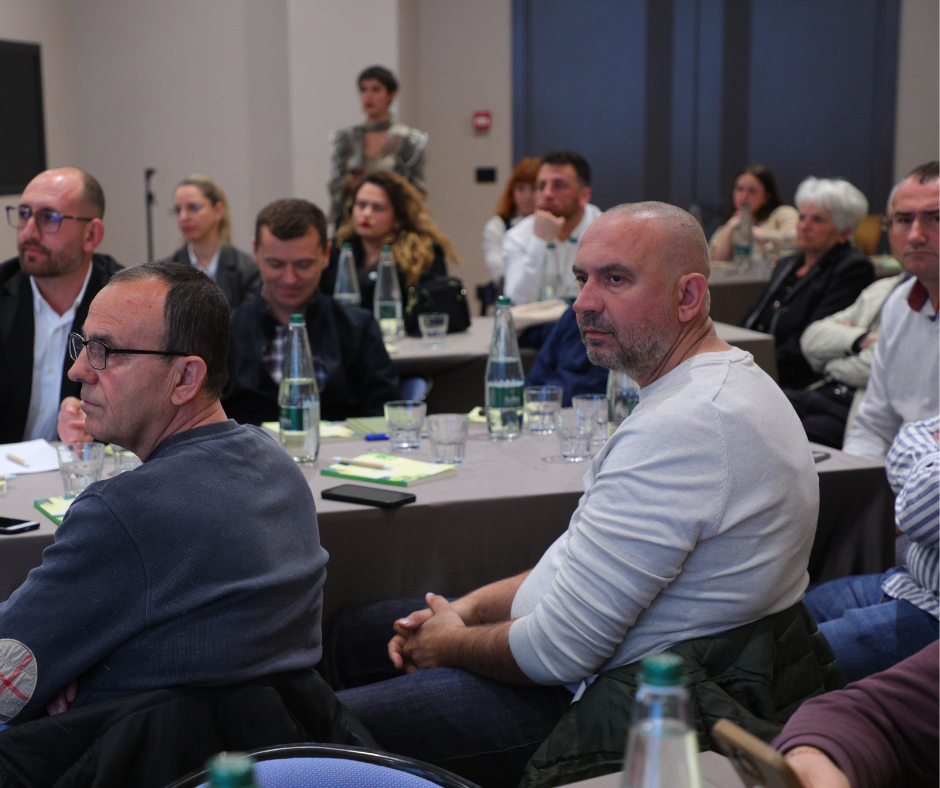
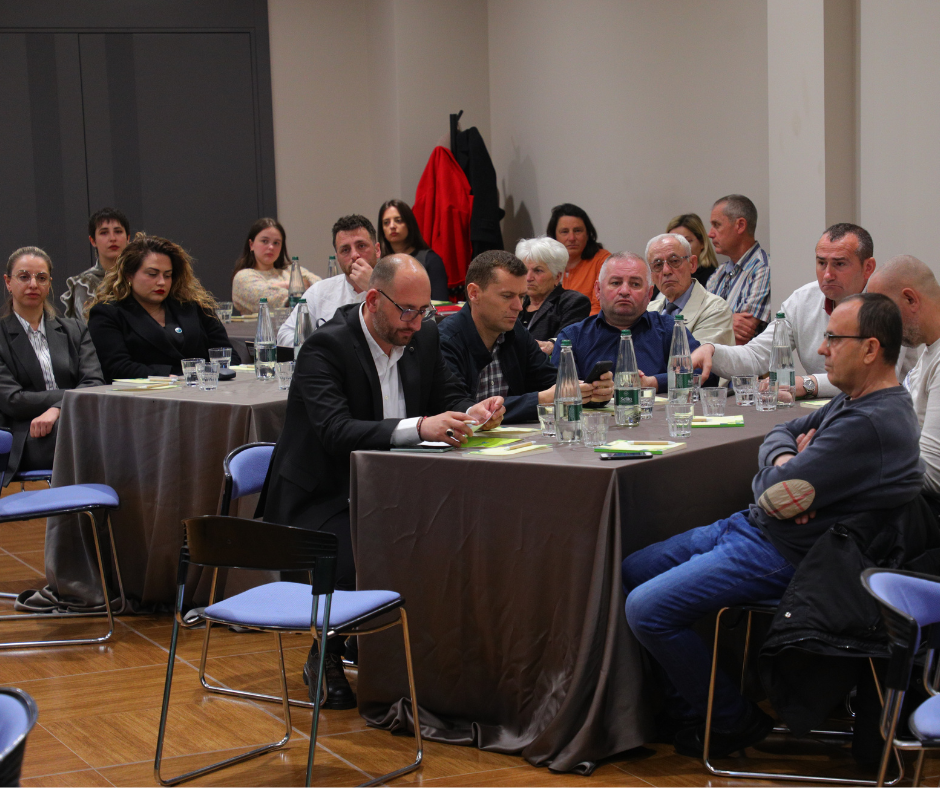
The ISCCA Project Final Event, “Sustainable Management of Ecological Corridors in the Polis-Valamarë-Rungajë-Moravë CCA”, was held in Elbasan, bringing together representatives from institutions, organizations, experts, and members of the local community.
The event served as a platform for presenting the key results of the project, as well as for opening a discussion on the challenges and opportunities related to the management of the ecological corridor and the surrounding landscape.
From presenting results to open discussion
Following the presentation of the activities and achievements of the ISCCA Project, the event continued with three discussion panels, creating space for the exchange of ideas among different stakeholders in the area.
One of the main themes consistently emphasized during the discussions was the need for stronger coordination and long-term commitment to ensure more sustainable management of the ecological corridor.
Institutional challenges in managing ecological corridors
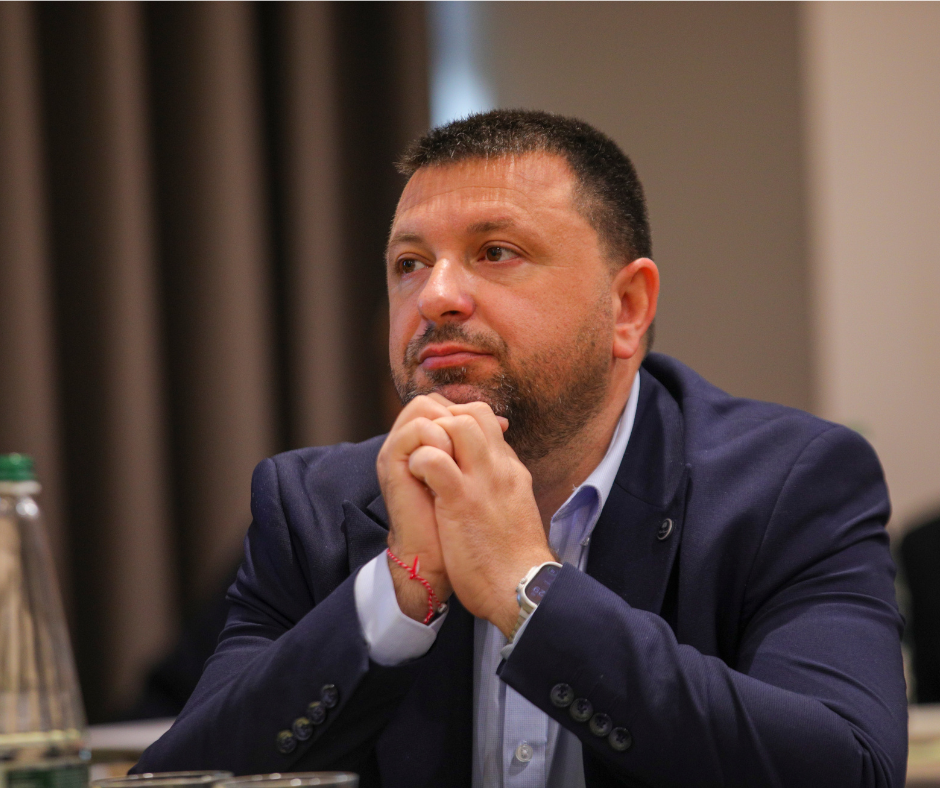
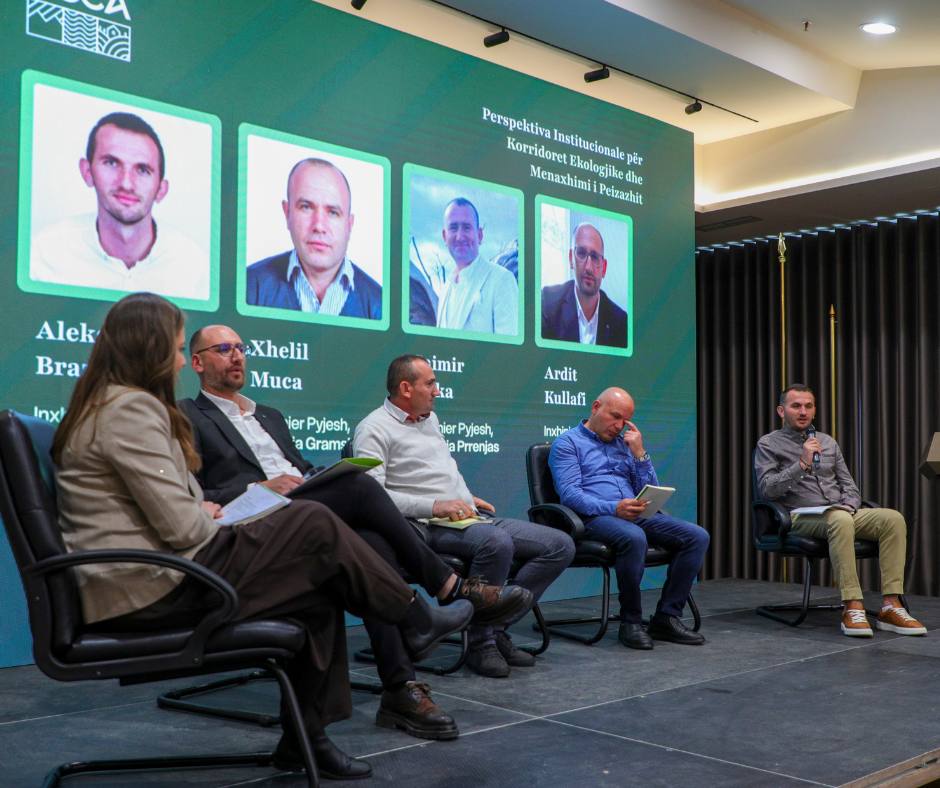
The first panel highlighted the main challenges faced by local institutions in integrating the concept of ecological corridors into planning and management processes.
The discussion emphasized that this integration remains partial and gradual, mainly due to a lack of technical capacity and expertise at the local level. Another key issue was the absence of structured data and consolidated databases, which make decision-making and effective planning more difficult.
Participants also raised concerns about ongoing pressures on the ground, as well as challenges in implementing existing policies and plans. In this context, the need to strengthen institutional capacities, improve coordination among actors, and better integrate data was emphasized.
A key element of the discussion was also the role of local communities, who were recognized as important actors in maintaining ecosystems and supporting conservation efforts, not only of ecological corridors, but of ecosystems in general.

Insights from the field and local knowledge
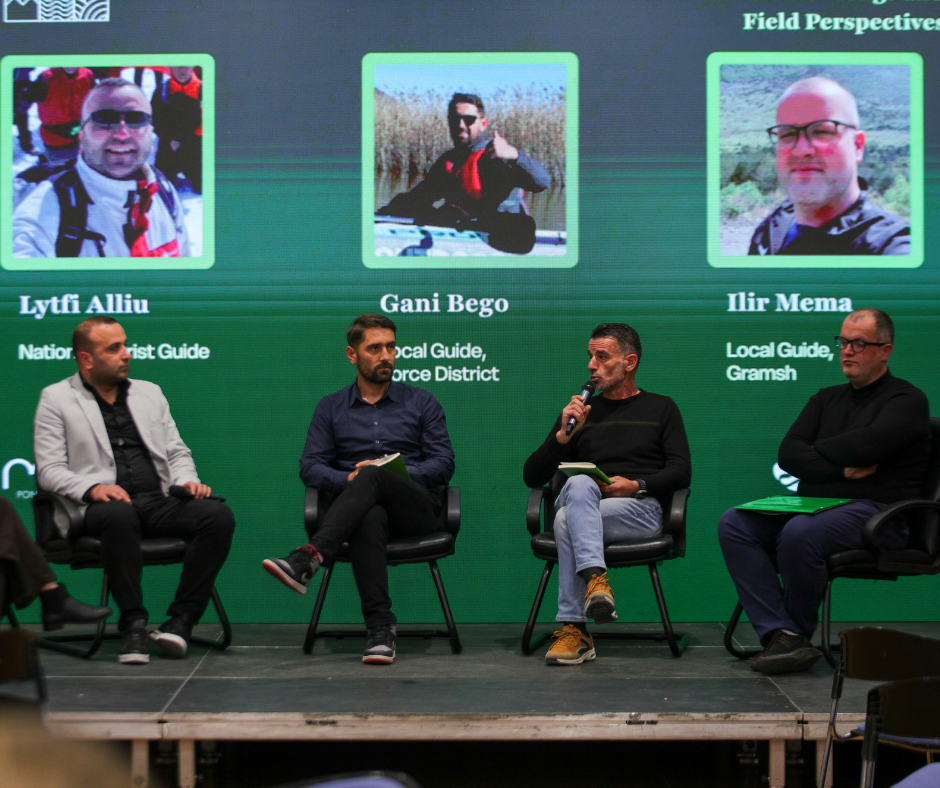
The second panel focused on the perspective of local guides and field-based knowledge regarding ecological corridors, highlighting their role in identifying, promoting, and preserving natural values.
The importance of areas such as Shebenik National Park was highlighted, as these maintain their natural character in cooperation with local communities, along with the potential for developing nature-based sustainable tourism. At the same time, concerns were raised about social challenges in these areas, including population decline and the gradual loss of local traditions.
The discussions pointed to several key pressures on ecological corridors, such as infrastructure developments, including hydropower plants on the Bushtrica River, as well as the need for better management of tourist flows—avoiding concentration in a few areas and promoting wider spatial distribution.
An important element was the role of guides in directing tourism toward less explored areas, through the identification of trails and the promotion of nature-based tourism. The need to involve more young people in sustainable tourism was also emphasized, as a way to create local opportunities and prevent rural depopulation.
In conclusion, the importance of environmental education, community engagement, and inter-institutional cooperation was highlighted, as well as the need for well-managed tourism development that preserves biodiversity and supports long-term sustainability.
The role of communities in conservation and sustainable development
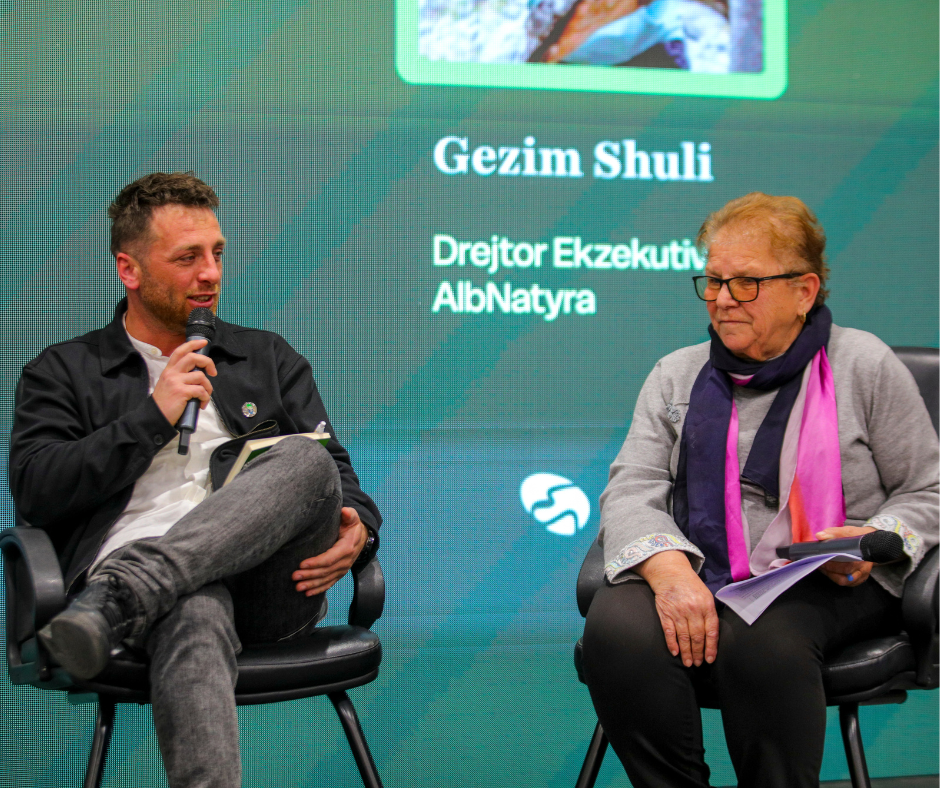
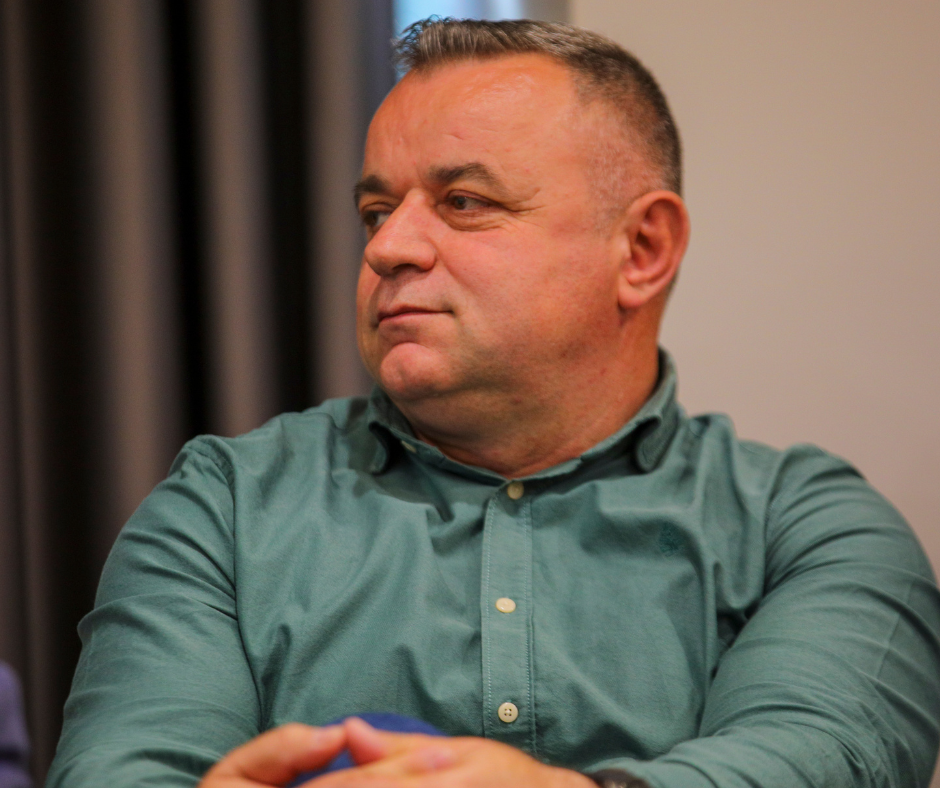
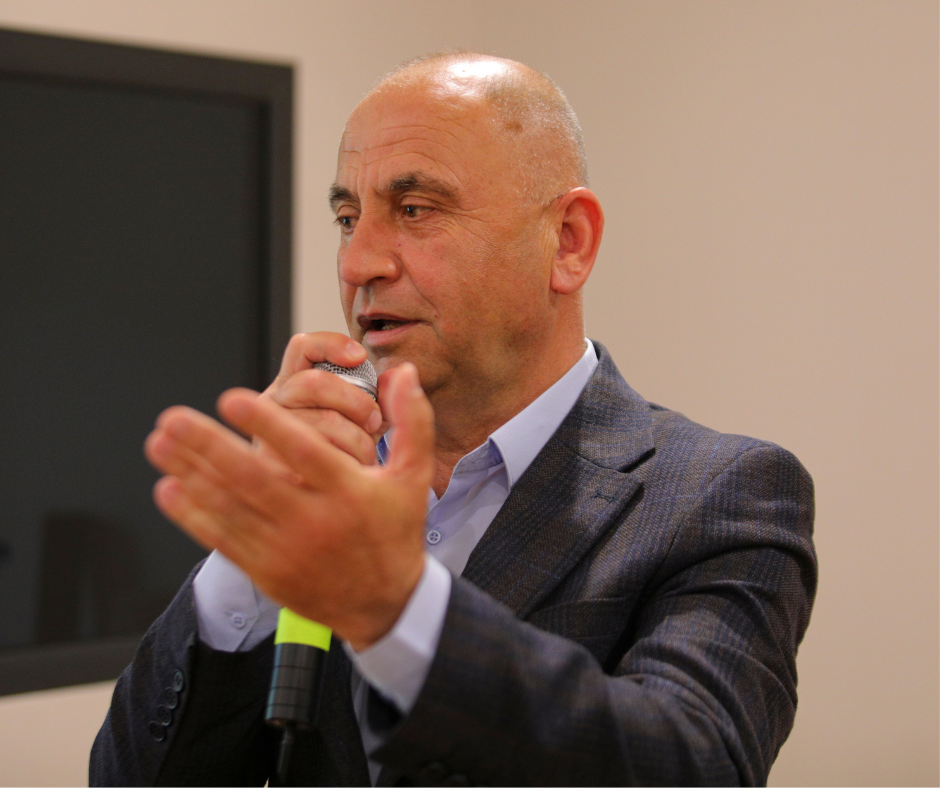
The third panel focused on the role of communities in conservation and sustainable development, emphasizing the need for greater inclusion and continuous cooperation between institutions and communities.
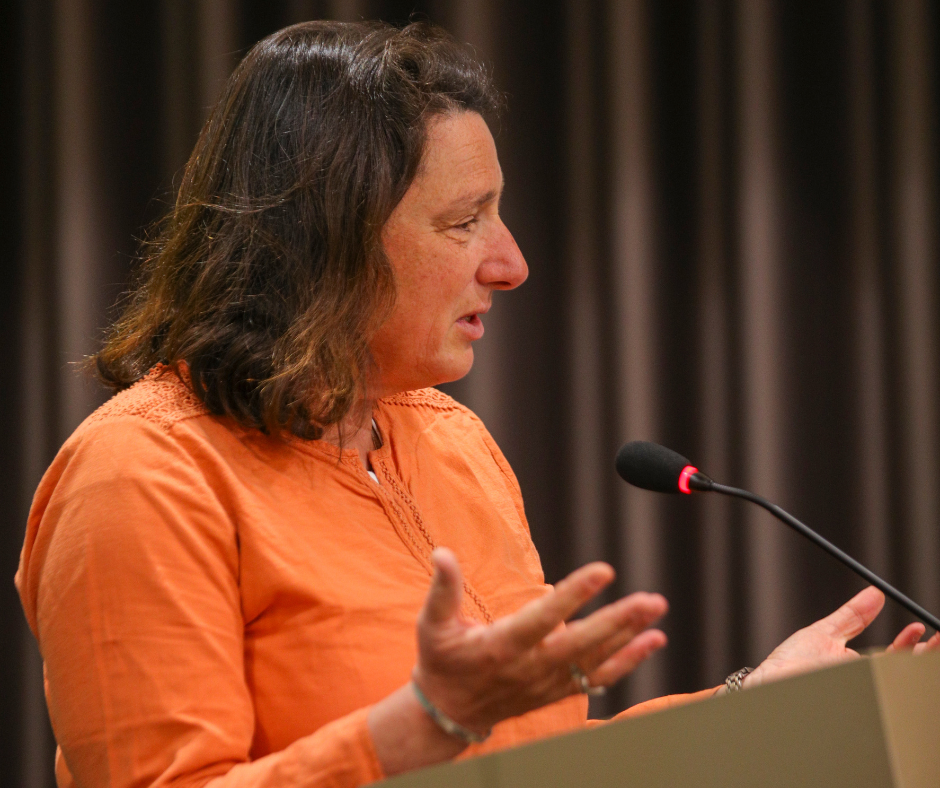
Zela Koka, teacher and head of the MEDPAK Association, highlighted the important role of women in the field as active contributors to environmental protection, while noting their underrepresentation in technical and institutional roles. She also emphasized the need to increase environmental awareness from an early age by integrating environmental education into the school system, as well as the importance of inter-institutional cooperation in addressing environmental challenges and fostering community engagement.
During the discussions, it was stressed that nature protection cannot be achieved without the involvement of local communities, who represent a key actor and the first line of defense for natural resources. The importance of community participation in decision-making was emphasized, as well as the need for economic development to be based on a sustainable balance between benefit and conservation.
The discussion also noted that awareness and engagement require time, but through tangible results and visible benefits, communities can become more actively involved. It was further emphasized that institutions should provide guidance and support, while communities should have an active role and real benefits from development processes.
In conclusion, the importance of viewing nature as an ally in development was underlined, along with the need to strengthen cooperation among actors and place communities at the center of processes aimed at conserving ecological corridors and promoting sustainable development.
A step towards long-term cooperation
The discussions throughout the event emphasized that the Polis–Valamarë–Rungajë–Moravë–Gramoz ecological corridor represents an area with high natural value, but also a complex system requiring coordinated and inclusive management.
The ISCCA Project has contributed to raising awareness and establishing a basis for dialogue among stakeholders. However, it was made clear that the long-term conservation of this landscape requires continuous cooperation, institutional commitment, and active involvement of local communities.


