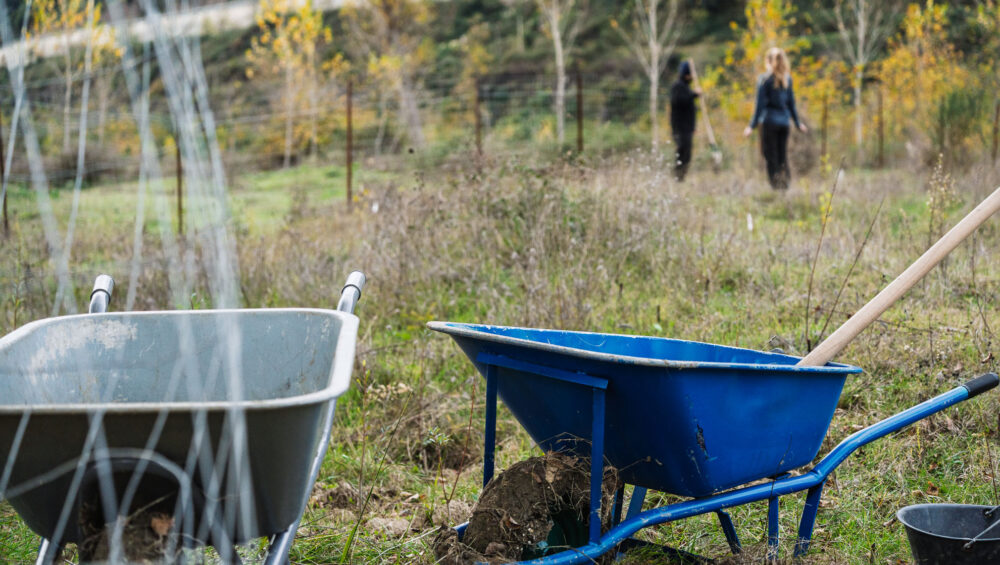
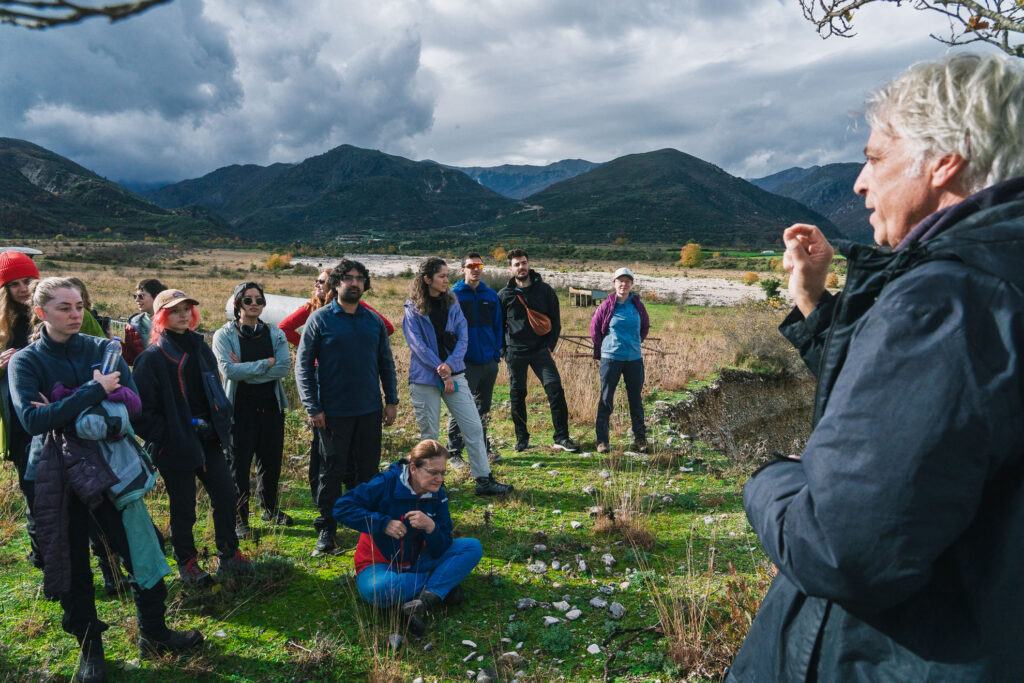
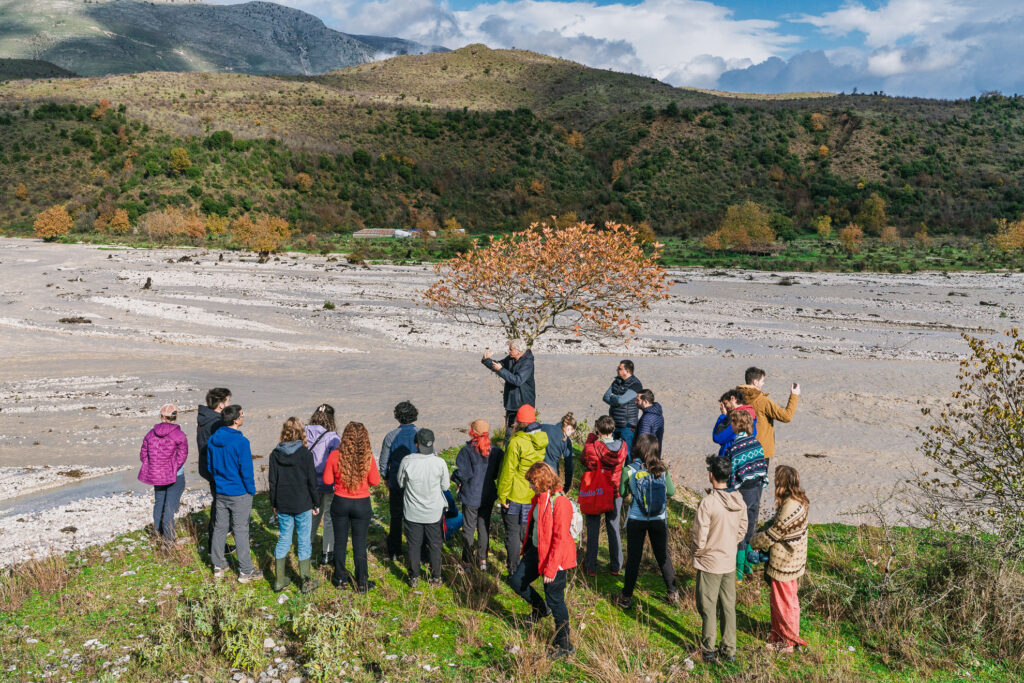
During the week of 16-21st November 2025, EcoAlbania has concluded a successful Planting Week along the Vjosa Wild River National Park with the support of Riverwatch and Patagonia. This initiative that unites communities, experts, volunteers, and local institutions in restoring native forest ecosystems along Albania’s most iconic river.
This year’s planting activities took place within the framework of ReForestVjosa, a long-term ecological restoration project that works to bring back the natural forests that once lined the Vjosa and its tributaries. Over decades, grazing, land clearing, and human pressure have reduced riparian woodlands and altered the river’s ecological balance. Through ReForestVjosa, native trees are now returning to the landscape, helping rebuild habitats, strengthen riverbanks, and support a healthier ecosystem.
Why Planting Week Matters
The Vjosa is not only Europe’s last wild river, it is also one of the most dynamic and ecologically rich freshwater ecosystems on the continent. Yet many of its floodplains and surrounding slopes lack the natural forest cover needed to stabilize soils, reduce erosion, host biodiversity, and support climate resilience.
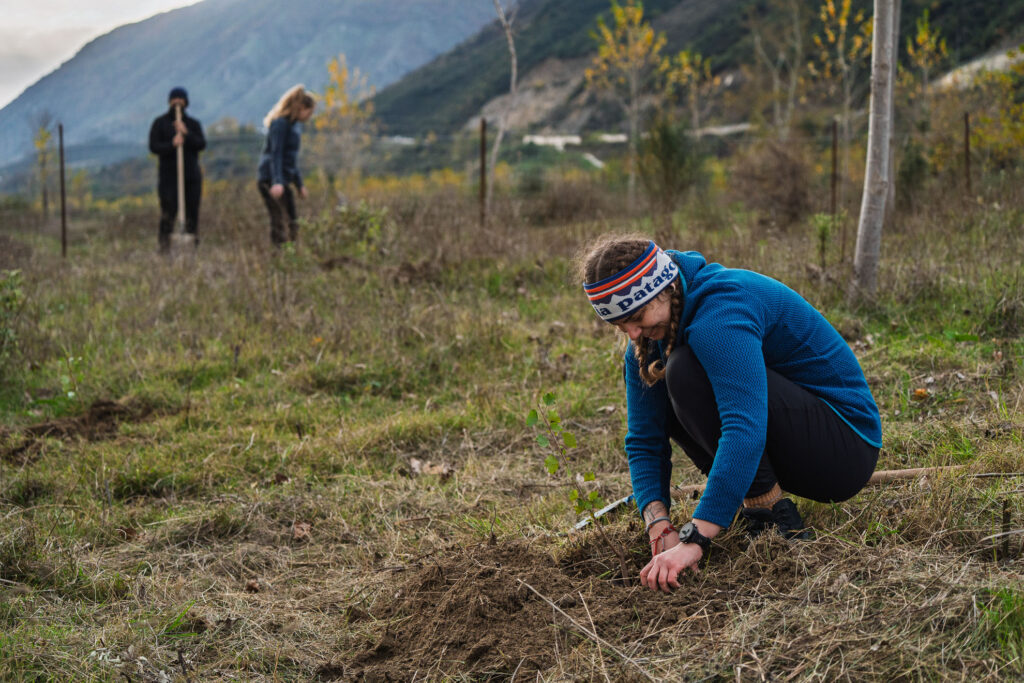
Planting Week addresses this gap by reintroducing only native tree species suitable for local conditions, including willow, poplar, oak, elm, alder, plane, and ash. These species are essential for creating shade, shelter, nesting areas, and long-term habitat for wildlife living in and around the river.
How the Trees Are Grown
All plants used during Planting Week come from the Tepelenë tree nursery, established in 2024 as the first dedicated native plant nursery for the Vjosa National Park. Here, new seedlings and rooted cuttings are cultivated each year and prepared for winter planting.
This approach ensures:
- a continuous supply of native young trees,
- high survival rates,
- and genetic compatibility with the Vjosa valley’s natural ecosystems.
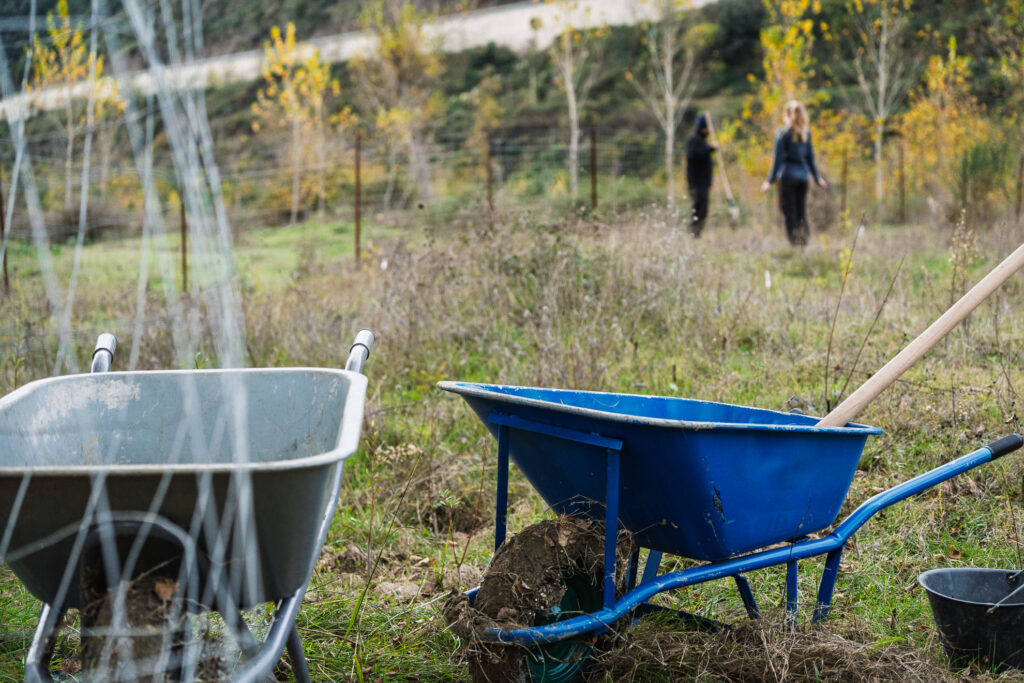
Each planting site is protected with fencing to prevent damage from grazing animals, and the young trees are watered regularly during their early growth years.
A Community Effort
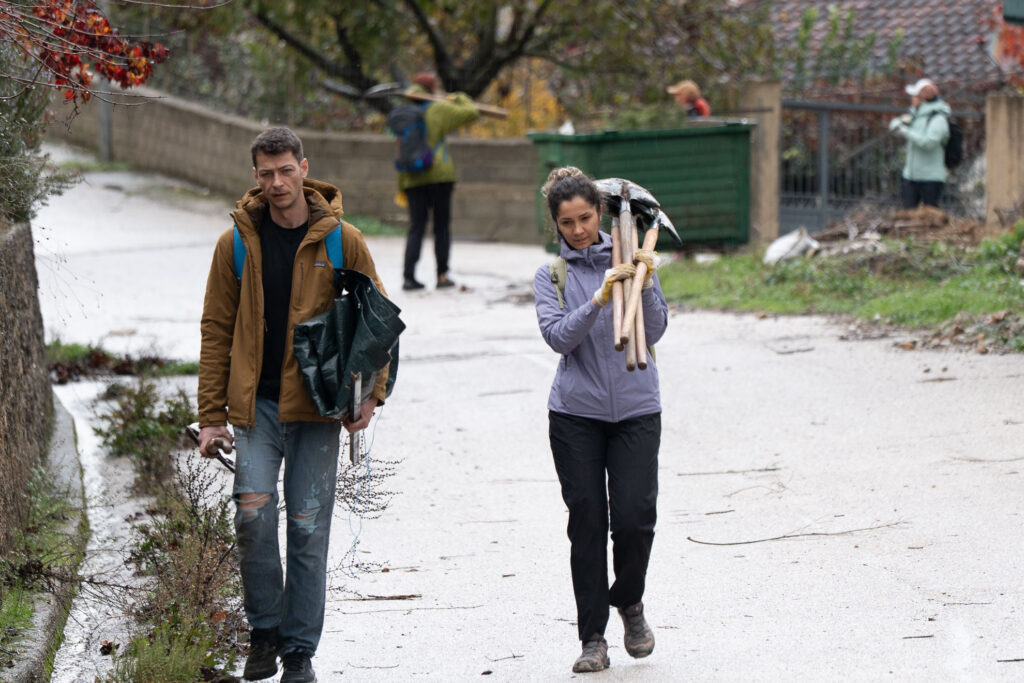
The success of Planting Week relies on strong collaboration. National and international volunteers, students, and partner organizations worked side by side with EcoAlbania’s restoration team. Their hands-on contribution reflects a growing sense of responsibility for the Vjosa and its long-term future.
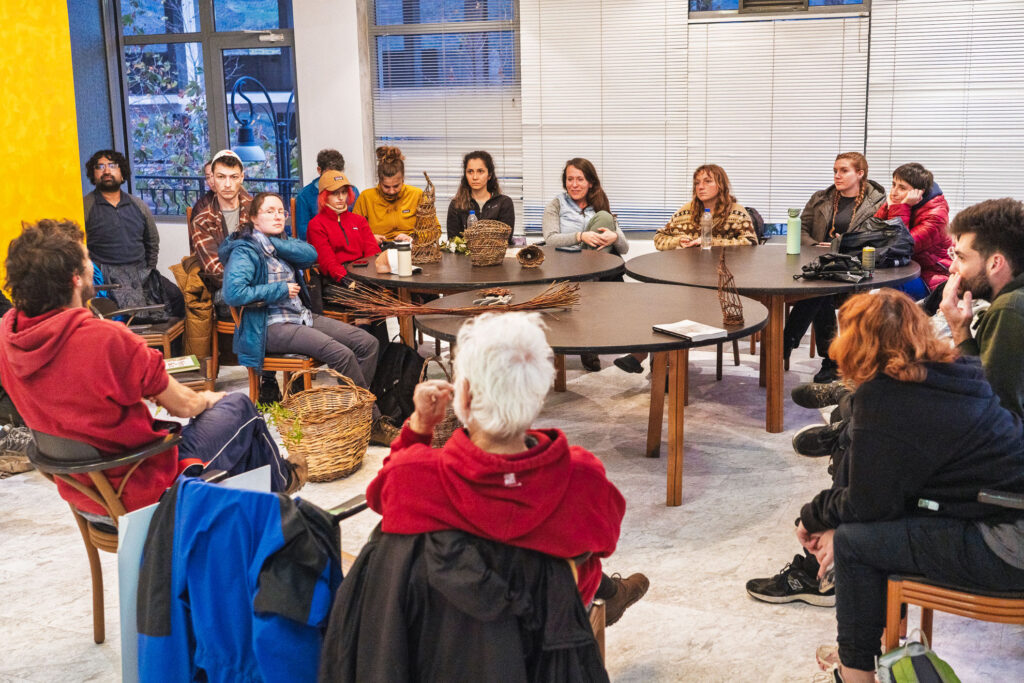
Beyond planting trees, participants engaged in discussions about:
- the importance of native species,
- the ecological role of floodplain forests,
- and how community stewardship helps protect the National Park.
These activities help rebuild the lost knowledge around sustainable reforestation that is a key challenge identified along the Vjosa corridor.
Part of a Larger Vision
ReForestVjosa is designed as a multi-year effort that will eventually restore over 230 hectares of native forest across the Vjosa Wild River National Park. The initiative aims to integrate fully into the park’s management structure by 2028, ensuring long-term protection and continuity.
Plans also include establishing a second nursery in the lower Vjosa region to diversify the species available and improve restoration capacity throughout the entire watershed.
Protecting the Blue Heart of Europe
Planting Week is not just about planting trees, it is about healing a landscape, strengthening a National Park, and giving the Vjosa the natural resilience it needs to remain wild, free-flowing, and biologically vibrant.
ReForestVjosa is part of the international campaign Save the Blue Heart of Europe, which works to protect the last wild rivers of the Balkans and ensure that they remain untouched for generations to come.


