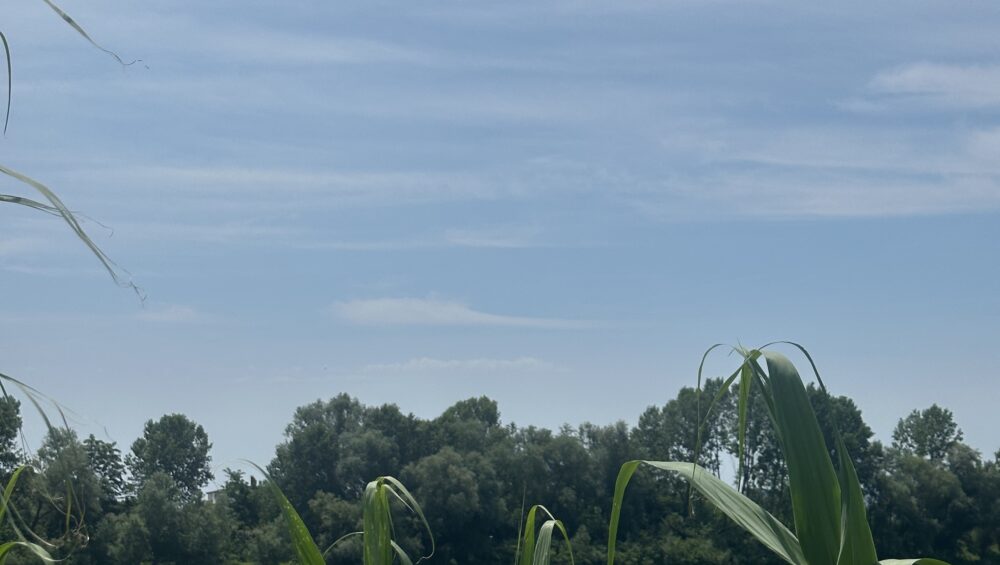
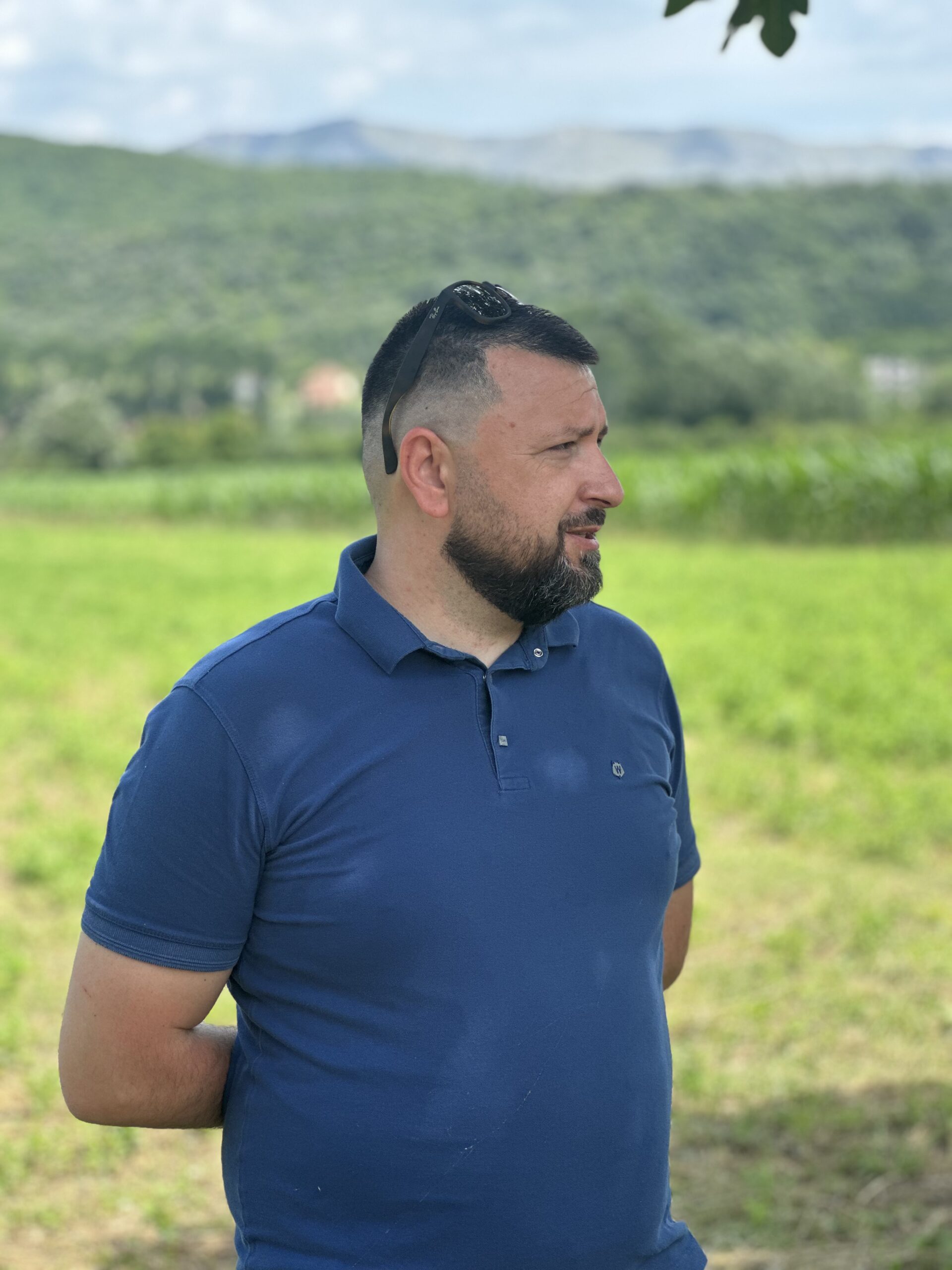
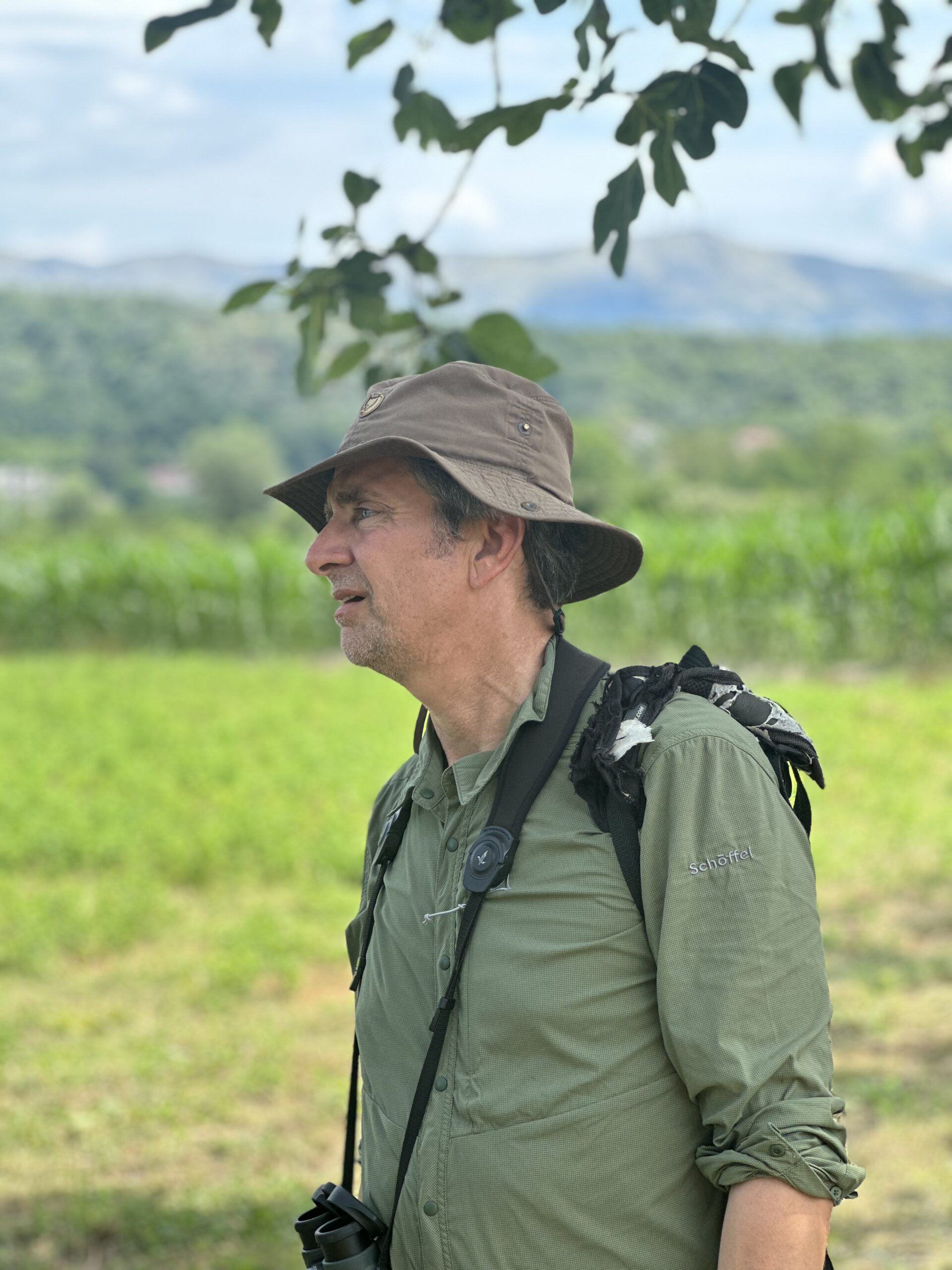
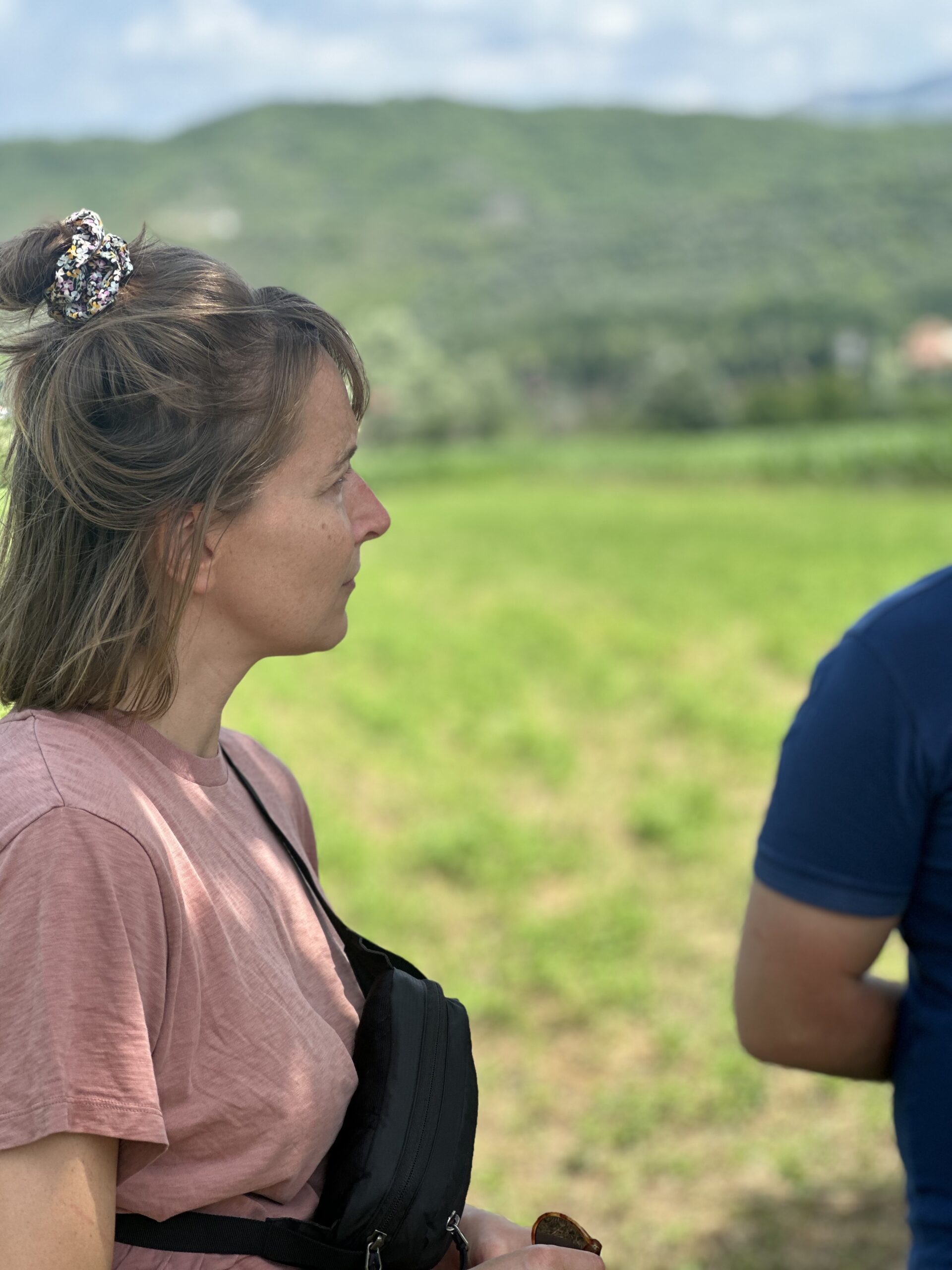
In June, EcoAlbania welcomed partners from Tour du Valat to Shkodër for a field visit to the site of the Buna Riverbank Restoration project. The visit provided an opportunity to review the progress of the preparatory phase and discuss the next steps towards the implementation of restoration measures on the ground.
Together, the teams visited the sections affected by riverbank erosion, assessing the current site conditions and discussing how the planned interventions can be best adapted to the characteristics and dynamics of the area.
Nature-based solutions for the Buna Riverbanks
A key focus of the discussions was the use of plant engineering techniques and nature-based solutions during the implementation phase. The project seeks to work with natural processes and locally available materials to stabilise the riverbanks while limiting the need for conventional hard-engineering interventions.
The planned measures include the use of local vegetation, particularly willow, through techniques such as live fascines, cuttings and brush layering. These approaches are intended to provide long-term protection against erosion while allowing vegetation to gradually strengthen the soil and contribute to the restoration of riparian habitats.
The visit also provided an opportunity to discuss practical aspects of implementation, including site access, preparatory works, the use of locally available materials and the maintenance of restoration measures once the works are completed.
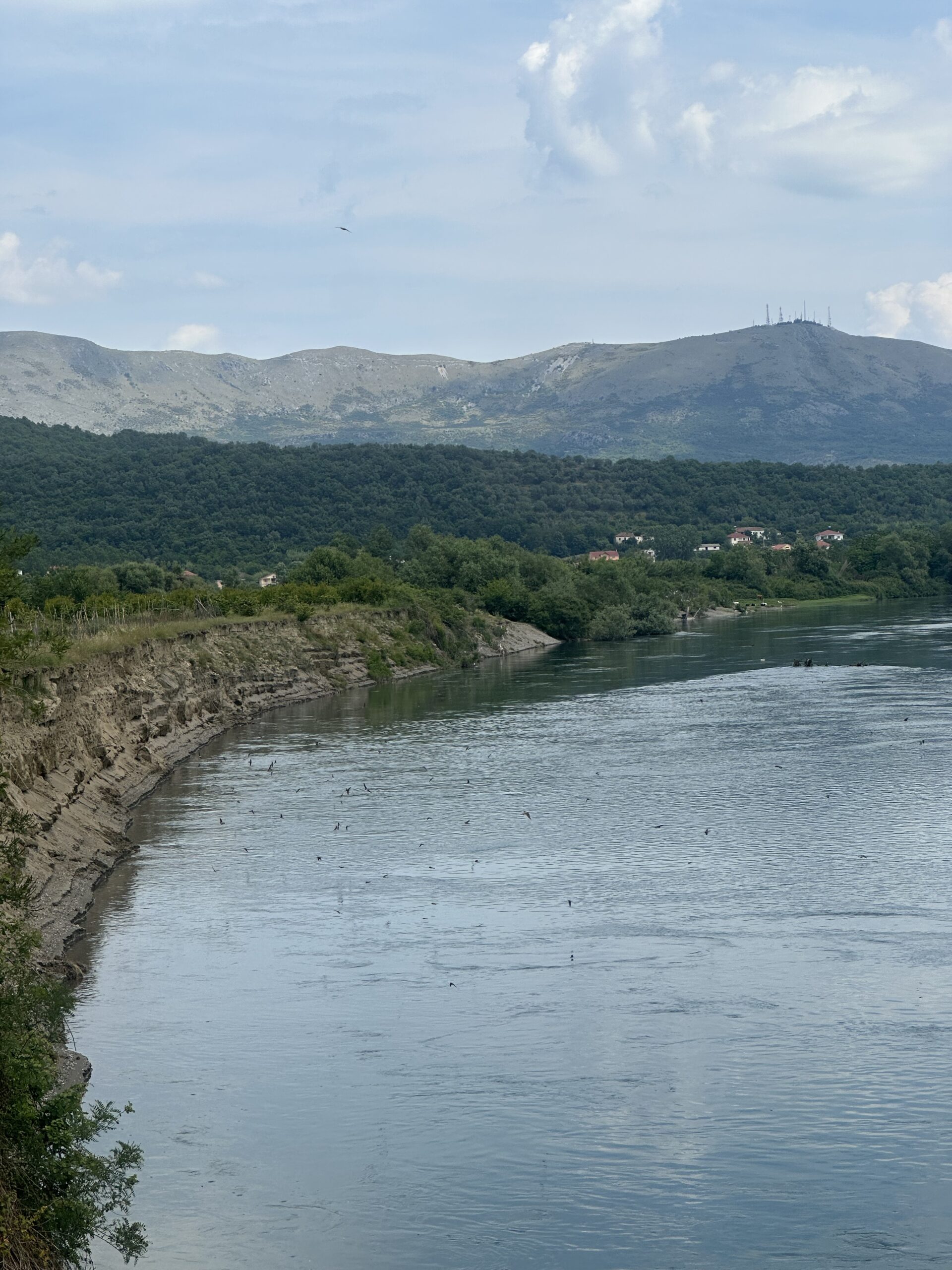
Restoration adapted to local conditions
An important element of the project is ensuring that interventions are adapted both to the natural dynamics of the river and to the existing uses of the area. For this reason, the preparatory phase combines technical assessment with coordination and consultation with relevant institutions and local stakeholders.
During the visit, the teams discussed the importance of involving local land users and responsible institutions in both the planning process and the long-term maintenance of the restoration measures. This is particularly important in an area where natural river processes intersect with agricultural and pastoral activities.
Joint field visits are an essential part of this process. They help ensure that technical decisions are grounded in the actual conditions of the Buna River and that restoration measures can deliver long-term benefits for both the ecosystem and the communities that depend on it.
In the coming months, work will focus on preparing the interventions and coordinating with the relevant stakeholders ahead of the field implementation phase.
This project is part of the broader effort by the Mediterranean Biodiversity Consortium to empower grassroots organisations through its Call for Small Projects, supported by the French Global Environment Facility (FFEM), the MAVA Foundation, and the French Development Agency (AFD).


