From April 27 to May 2, a Science Week was organized in the Vjosa Basin, covering areas such as Tepelena, Gjirokastra, Përmet, Tre Urat, Vlora River, Zvërnec, Delisuf, and Mifol. This activity was jointly organized by EcoAlbania and the Department of Biology, Faculty of Natural Sciences (University of Tirana), with the support of the Swiss Foundation Sylvia & Reinhard Bachofen, the VjoSusDev project, and FNS.
A total of 16 students from the MSc. in Environmental Biology and BSc. in Natural and Environmental Sciences programs participated in the activity. The group was also joined by an MSc. Ecology student from the University of Calabria (Italy), currently undertaking an internship at the Department of Biology. In Tepelena and Përmet, four French naturalist students from AgroParisTech – Campus of Nancy, members of Mission Dinara – Les Blairoudeurs, also joined the group.
The activity was led by an interdisciplinary team of experts, including five experts from the Department of Biology, experts from the Flora and Fauna Research Center, and the Faculty of Geology and Mining (Polytechnic University of Tirana), as well as Prof. Jakob Schneller from the University of Zurich, an expert in flora and vegetation.
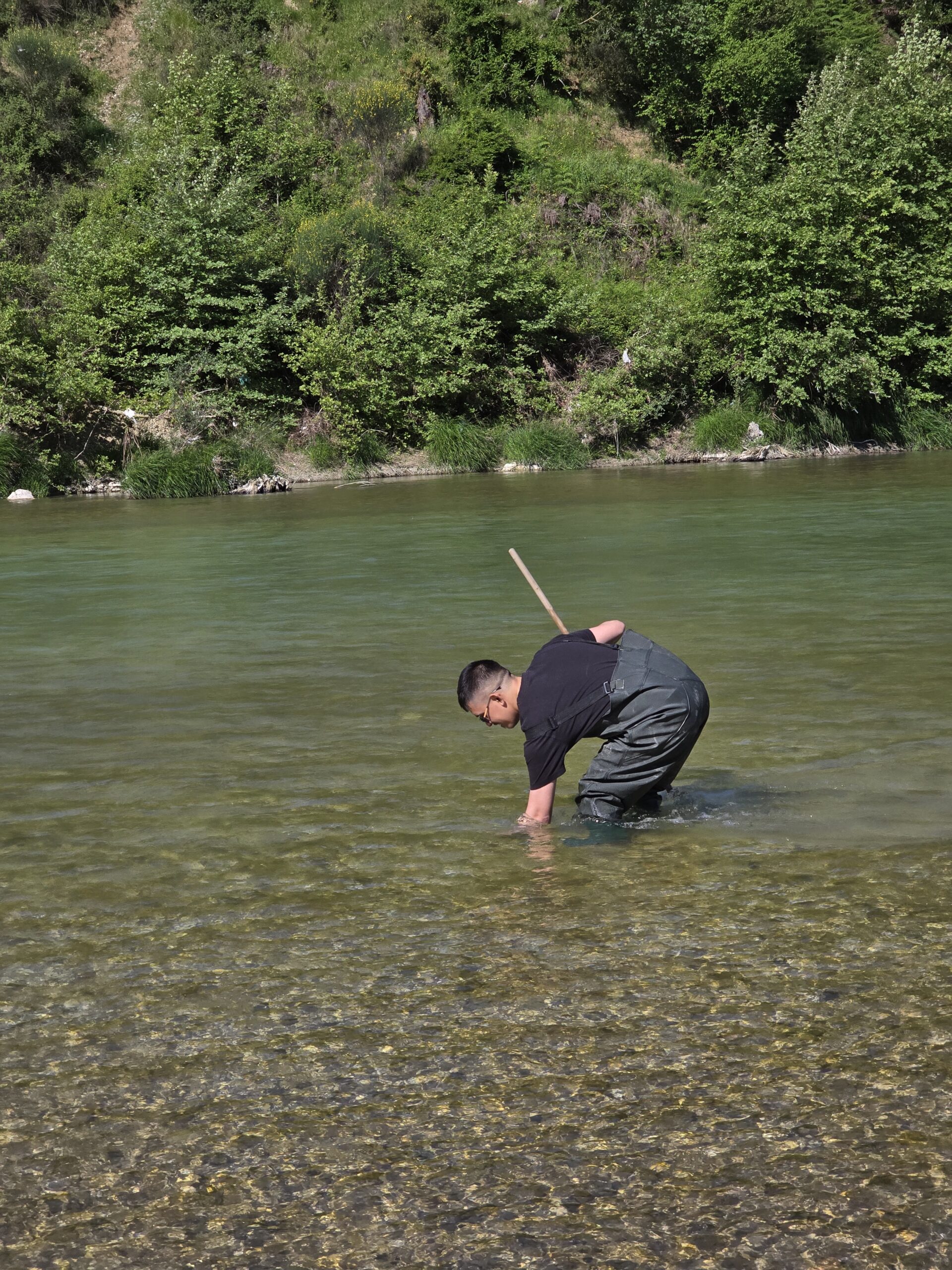
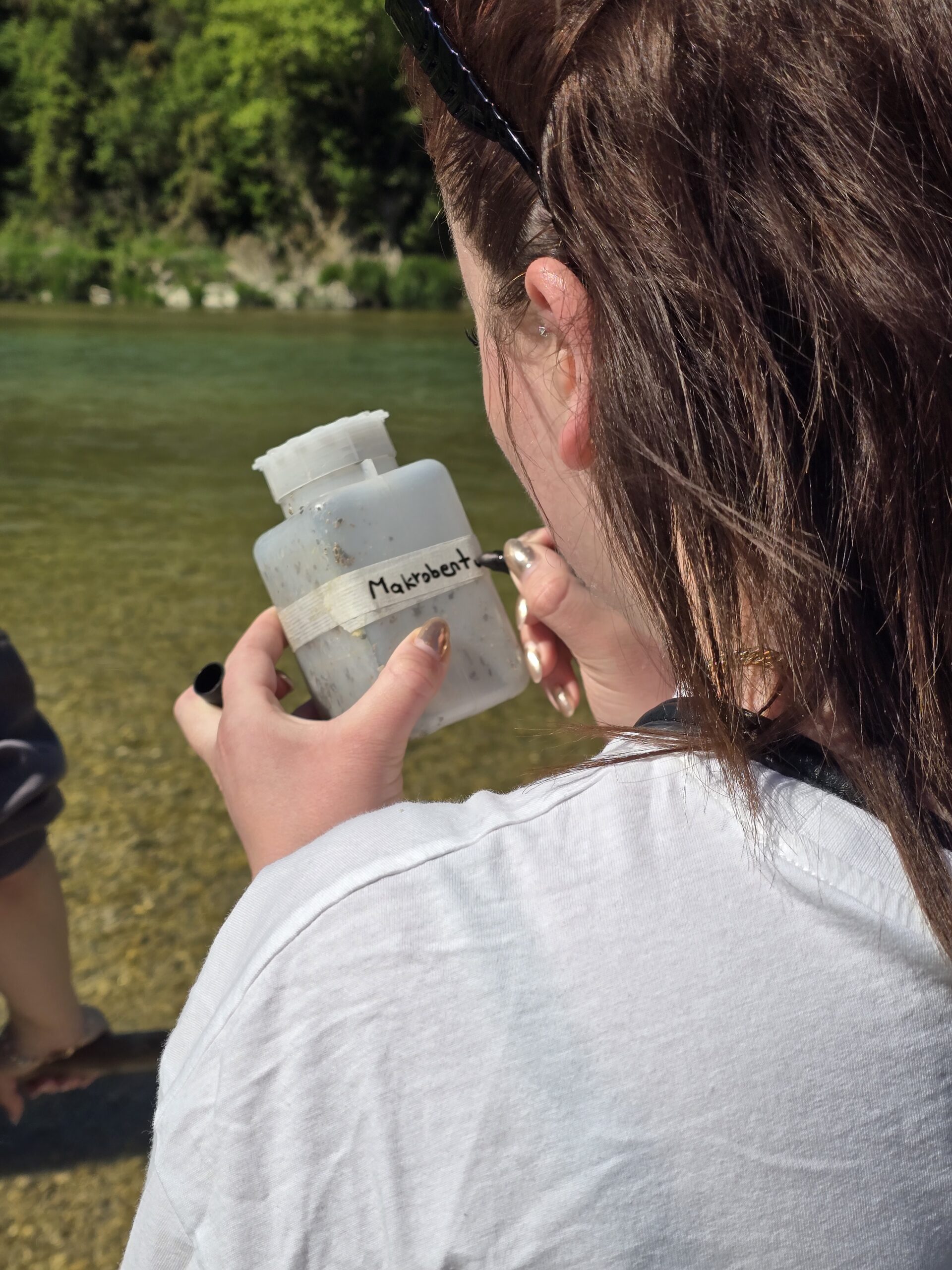
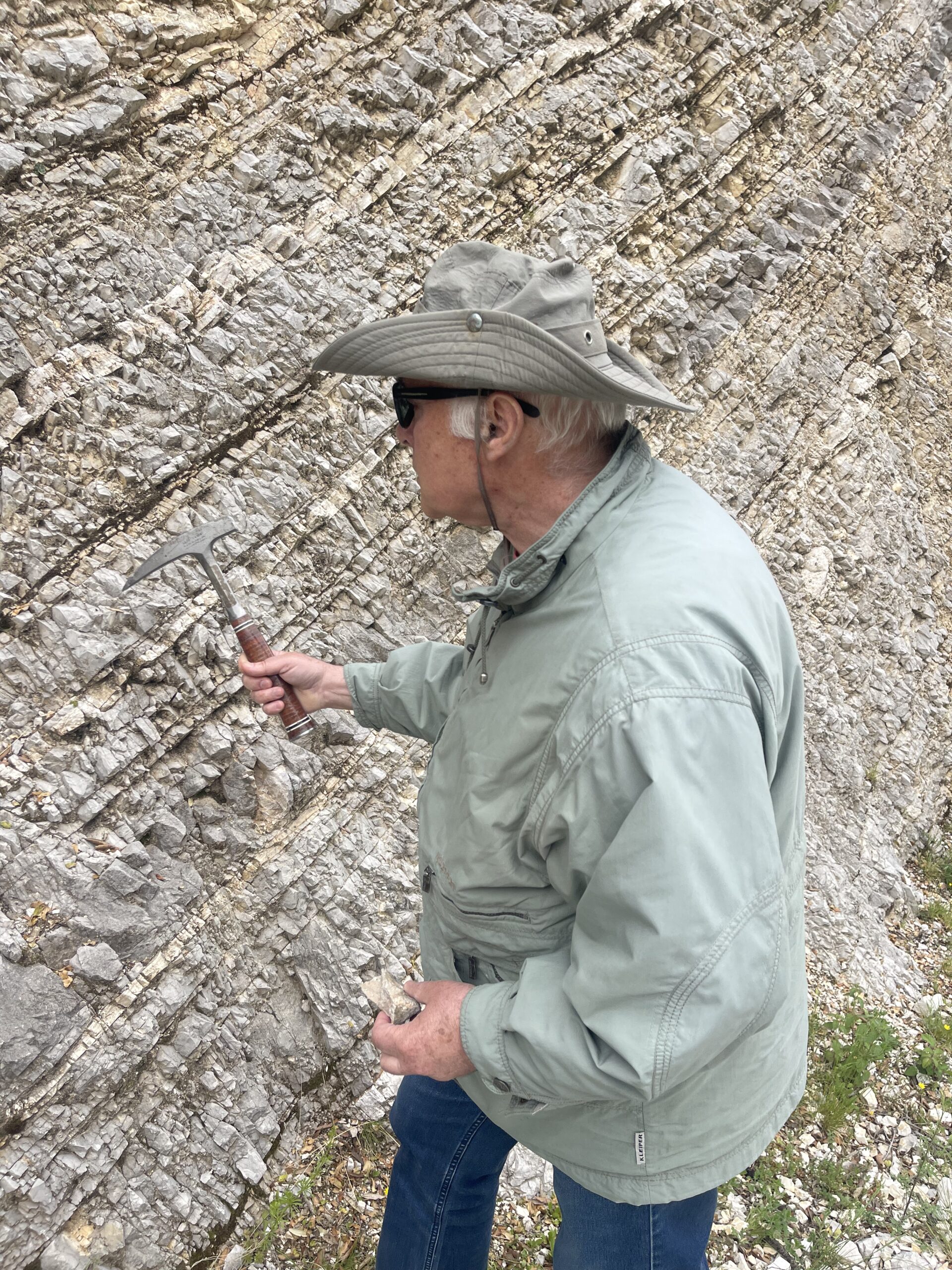
During the week, participants were organized into five working groups, where students and experts collaborated to collect samples and assess different components of the ecosystem, including vegetation, hydrogeology, geomorphology, and river ecosystem dynamics. During the stay in Tepelena, the facilities of the Vjosa Research Center, managed by EcoAlbania, were used for the preliminary analysis of samples collected during fieldwork.
The Science Week aimed to provide students with practical knowledge and skills in environmental, biological monitoring, biodiversity assessment, and geological-geomorphological analysis. In this context, several areas of particular natural importance were visited, such as the Vjosa Wild River National Park, the Hotovë-Dangëlli National Park, as well as several natural monuments, including the Bënja Thermal Springs (Përmet), Vromonero (Leskovik), Uji i Ftohtë (Tepelena), Viroi (Gjirokastra), the Bënça Canyons, the Kuç Springs, the Zarel Ponds, the molassic hills of Zvërnec, and the Pishë-Poro–Nartë Protected Landscape (Vjosa Delta).
In Virua, an informative meeting was held with the director of the Vjosa National Park, Eduina Guga, while in Përmet, we had a visit to one of the information centers for the park, currently under development, and then participants were introduced to local initiatives in tourism and nature interpretation through a local guide.
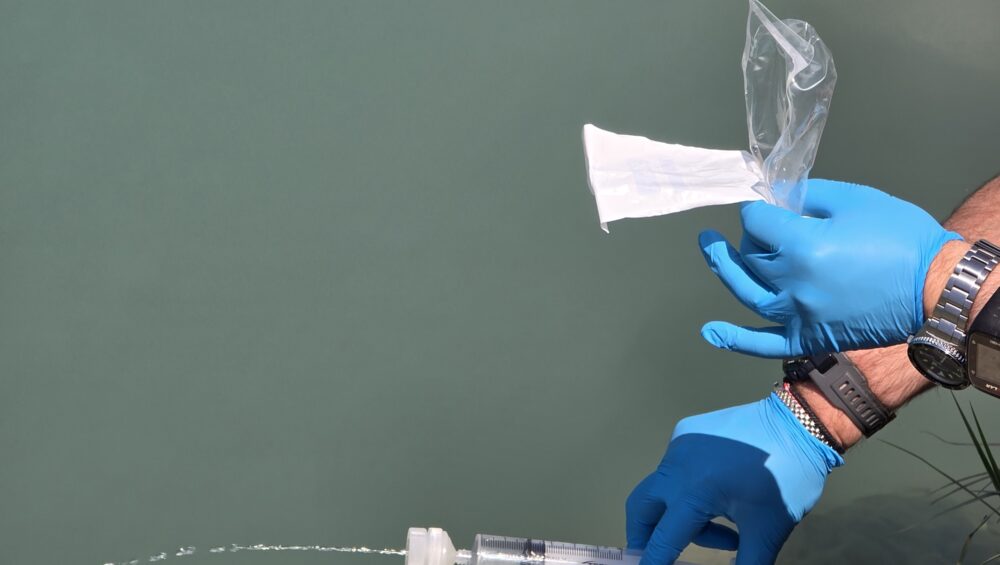
During field stops, students actively engaged in collecting data on plant biodiversity (phytobenthos and aquatic macrophytes) and fauna (macroinvertebrates, meiobenthos, and vertebrates). A new component introduced this year was the collection of water samples for eDNA analysis in different habitats, which will be further analyzed in Zurich.
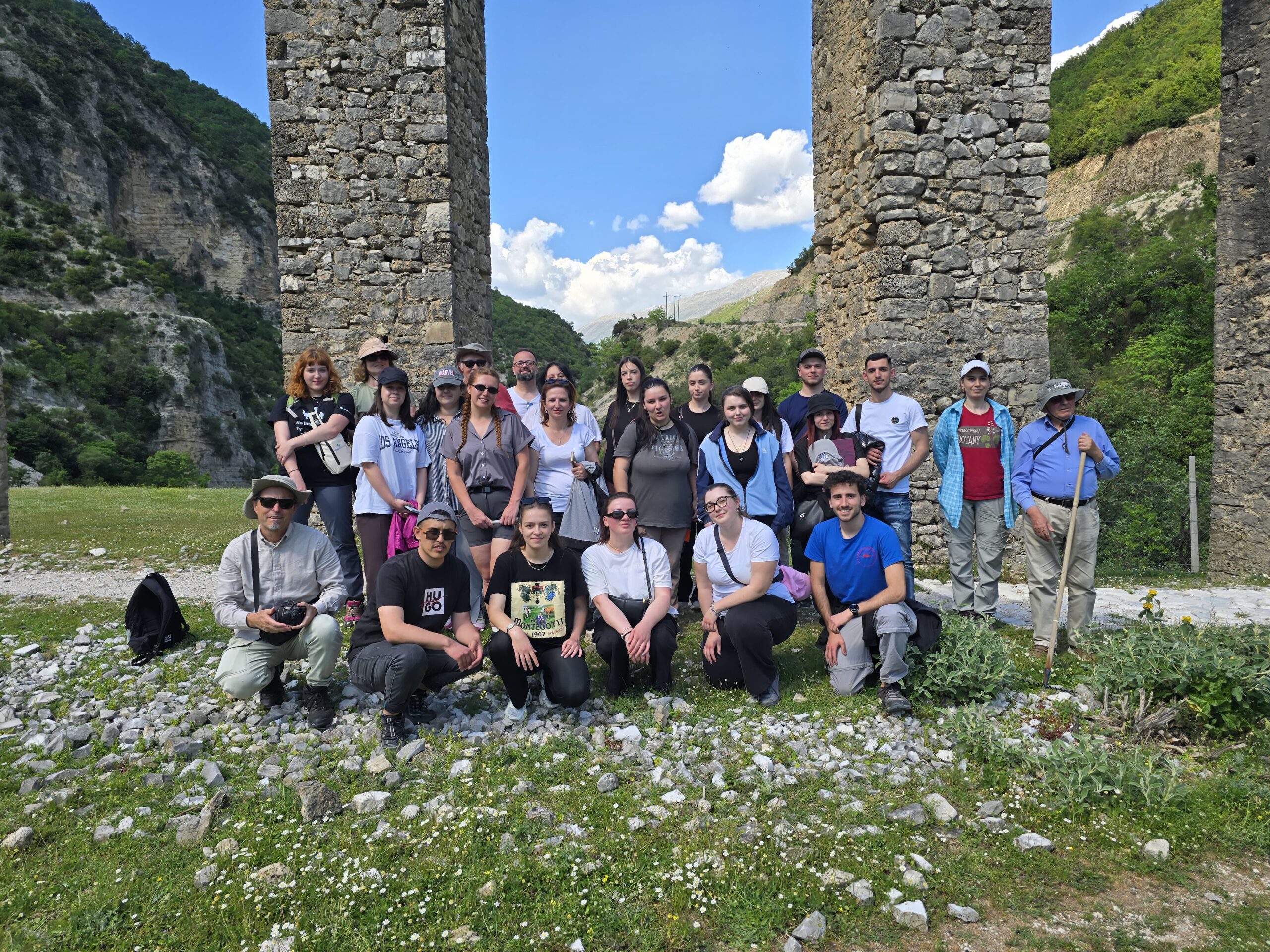
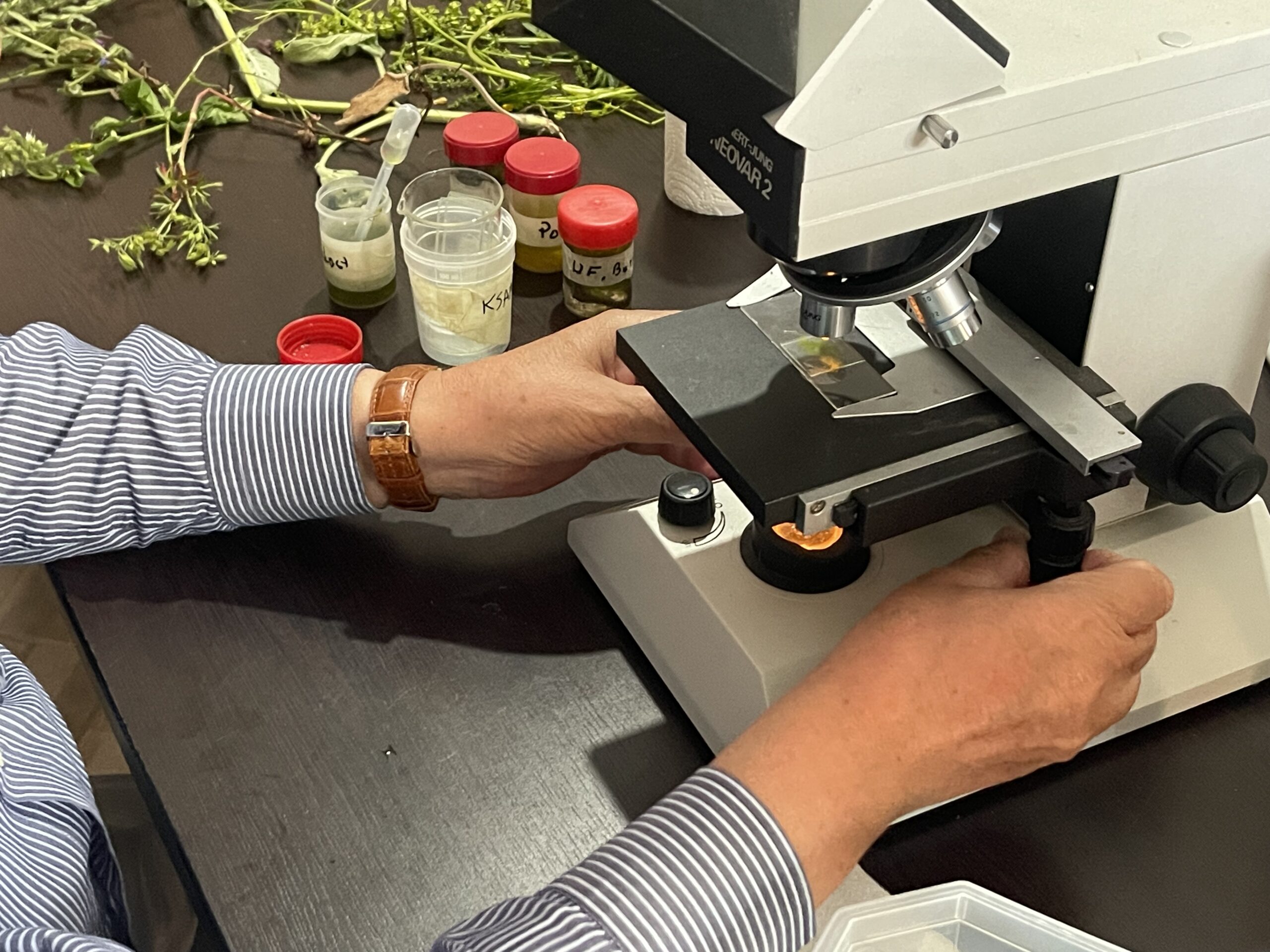
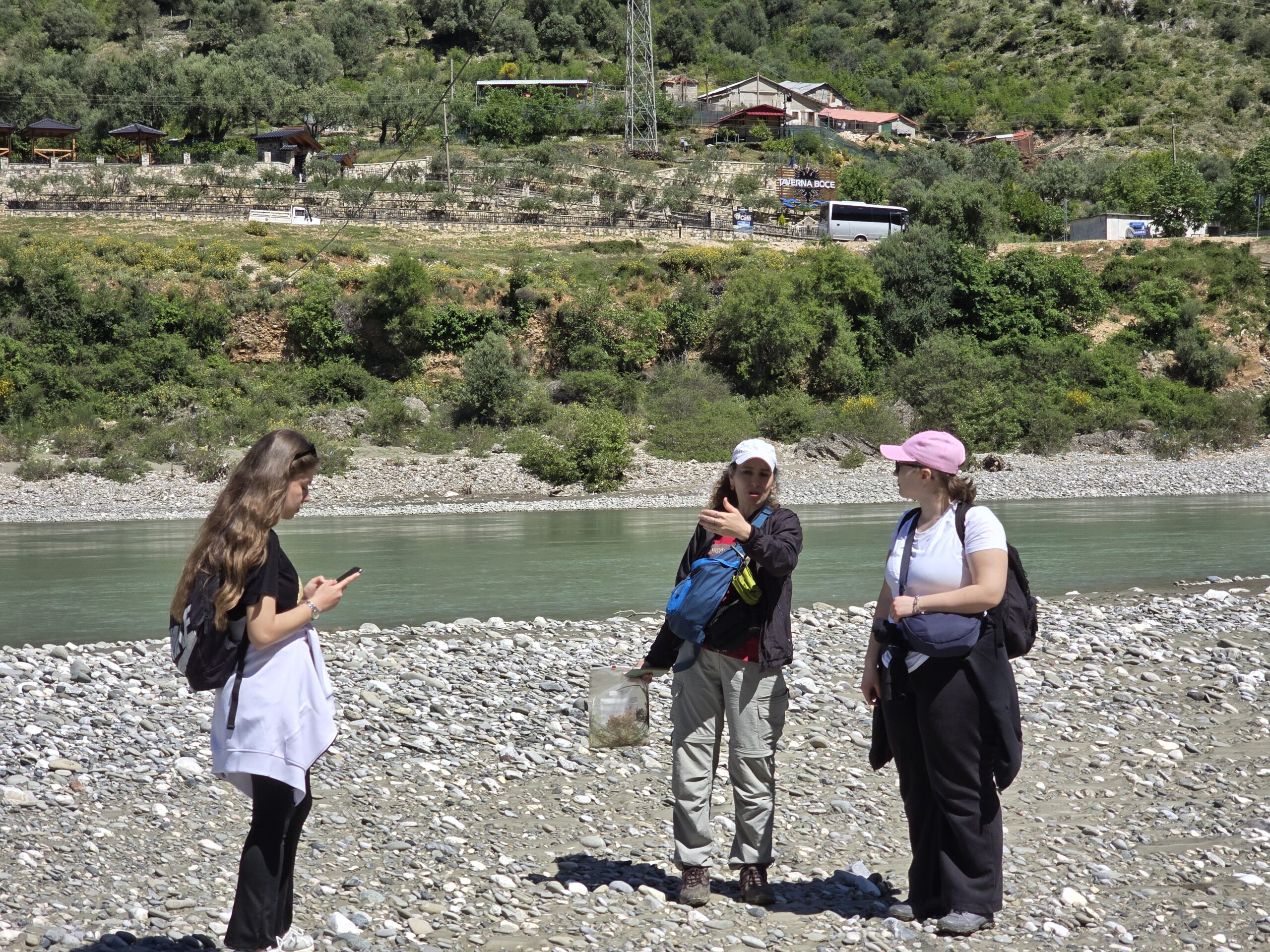
Additionally, valuable scientific collections were gathered. Prof. J. Schneller contributed to the study of ascomycetes, a group of fungi little known in this area and in Albania, while Associate Prof. E. Gjeta collected a rich plant collection for the National Herbarium at the FFRC.
At each study site, participants closely examined habitats, natural values, and key monitoring indicators, with a particular focus on biological indicators. Methods of sampling, preservation, and transport of biological samples for laboratory analysis were also addressed.
Special attention was given to the impact of human activities on the environment, including urbanization, tourism, transportation, agriculture, fishing, and industry, as well as the complex relationship between these factors, natural ecosystems, and human health.


