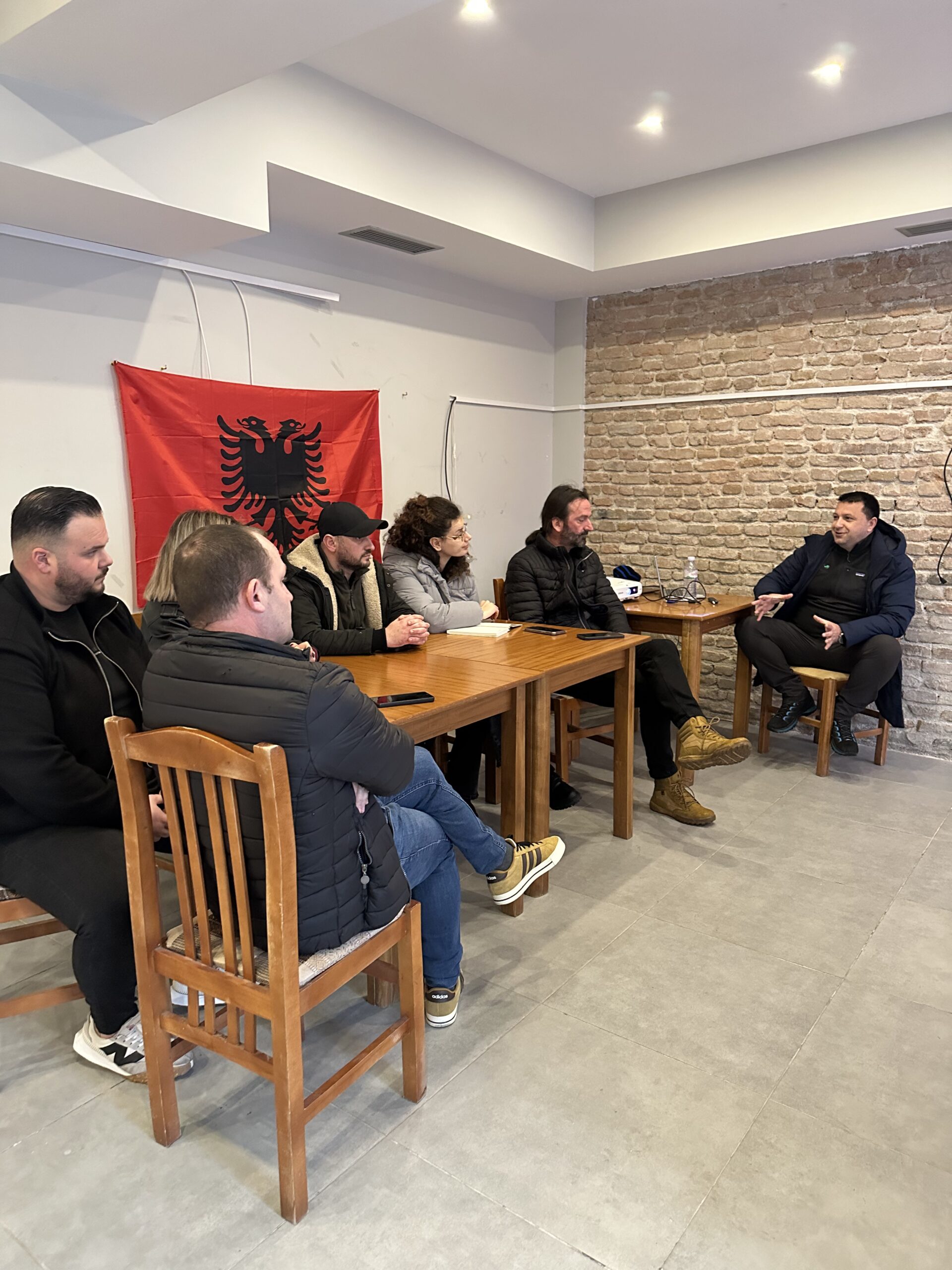
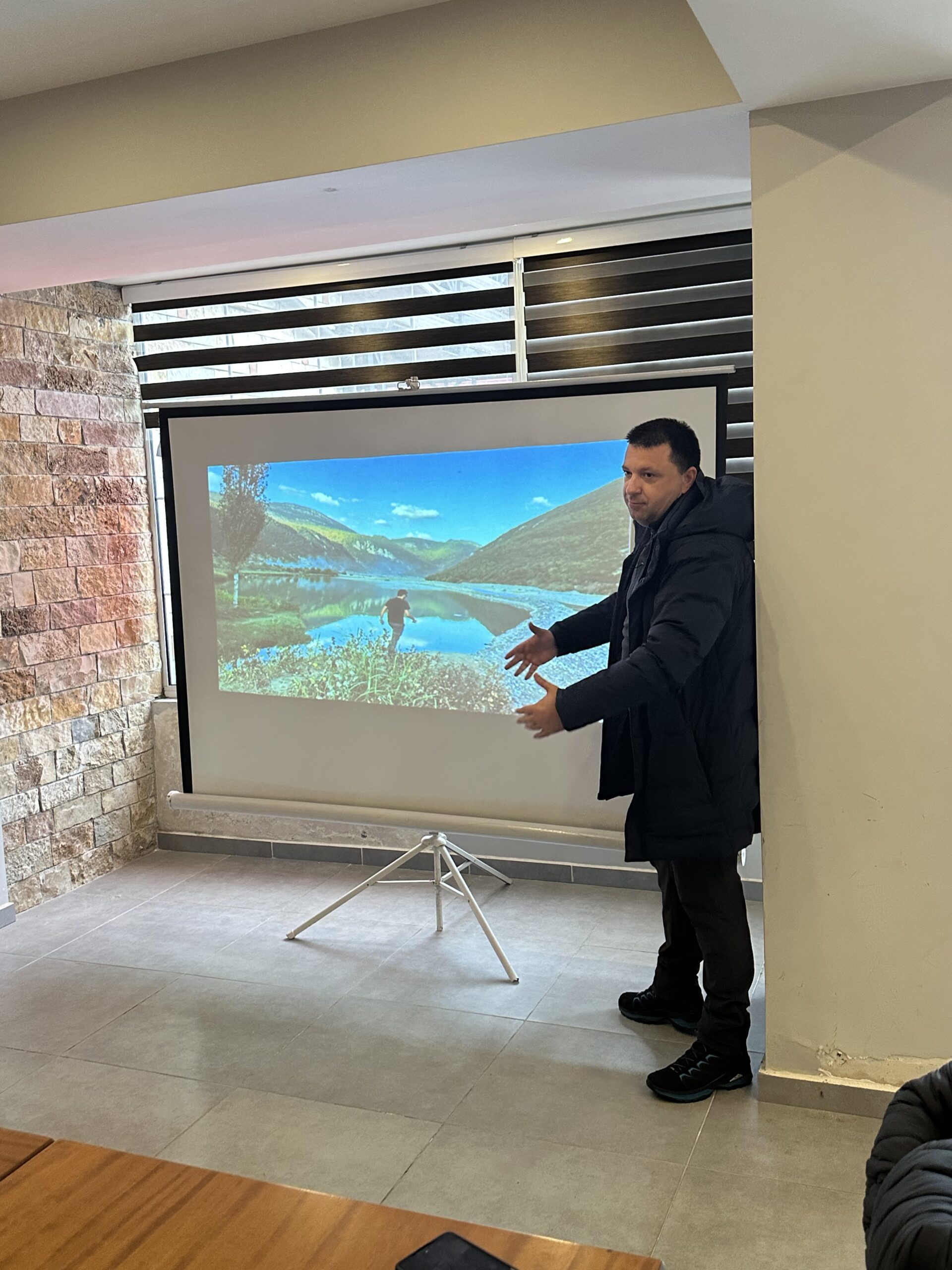
As part of the project “Breaking Barriers: Small Dams Removal Planning in the Vjosa River,” EcoAlbania organized a training session for the monitoring team that will be engaged in the identification and assessment of river barriers across the Vjosa River Basin.
The training marks an important step in the implementation of the project, which aims to create a comprehensive inventory of barriers located within tributaries and streams of the Vjosa Basin, with a particular focus on obsolete or non-functional structures affecting river connectivity and ecosystem health.
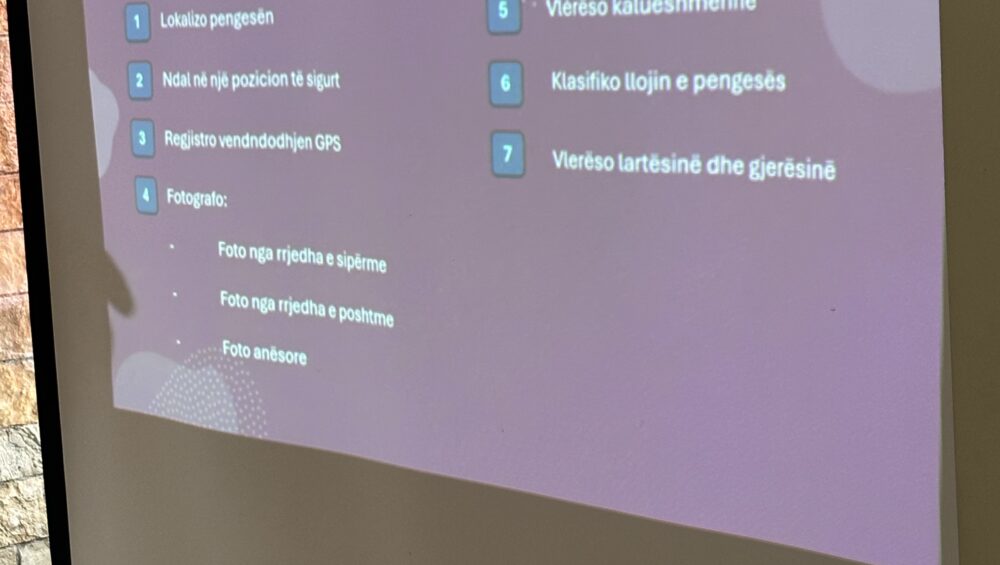
During the training, participants were introduced to the field monitoring methodology, criteria for barrier identification and classification, and the use of GPS equipment and digital tools for data collection. The sessions also addressed the ecological impacts of barriers on fish migration, sediment transport, and the natural functioning of freshwater ecosystems.
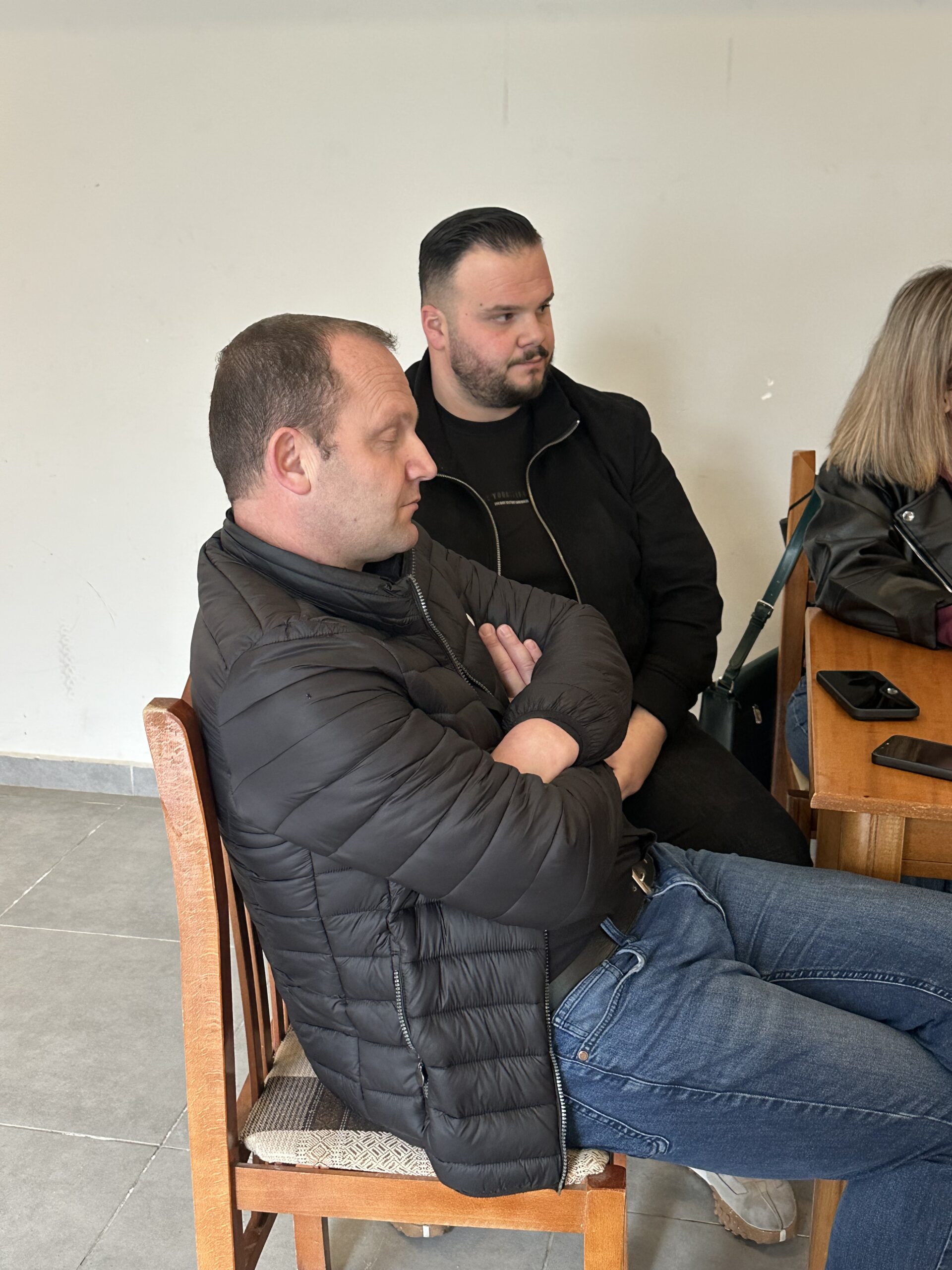
Following the completion of the training, monitoring teams initiated field assessments across several tributaries of the Vjosa Basin. During these visits, various types of barriers are being documented, including weirs, culverts, small dams, fords, and other artificial structures affecting the natural flow of rivers and streams.
The collected data will contribute to the development of a comprehensive database and interactive map of barriers within the Vjosa River Basin. This information will serve as the foundation for future technical and legal assessments, as well as for the identification of barriers that could potentially be considered for removal in future river restoration phases.
The project aims to contribute to the protection and restoration of free-flowing rivers while supporting the objectives of the Vjosa Wild River National Park and broader efforts to safeguard biodiversity and ecological connectivity in Albania.
The project is implemented by EcoAlbania in partnership with Res Publica and with the support of the Open Rivers Programme.


